|
|
|
GROWTH NEWSLETTER NO. 353 · NOV 11, 2026
|
|
|
|
What’s up everyone,
|
|
It’s mid-November, and here in the Rockies a lot of us have one thing on our minds: ski season, baby.
|
|
A-Basin opened at the end of October, and a few more Colorado resorts have followed.
|
|
So, in honor of the thing that makes winters in the northern hemisphere bearable, we’re leading off with my favorite piece of ski marketing ever: Snowbird’s one-star ad. Then why sometimes the best paid strategy is to wait, and why the directory page you’re paying for might be invisible to AI.
|
|
—Nick
|
Advertisement
You put a lot of thought into what your podcast listeners hear. Shouldn’t that include the ads, too?
With Dynamic Ad Insertion on beehiiv, you choose where ad breaks go, how many ads play in a break, and even which advertising categories can run (or not run) when using programmatic ads.
Whether you run your own sponsorships or turn on programmatic ads to fill unsold slots, you now have an easy way to earn more money while ensuring your podcast stays true to you and your audience.
Want to get in front of 105,000+ founders and marketers? Let’s chat.
|
|
01Advertising
|
Bad reviews make great ads
|
|
Insight from Nick Costelloe, Content at Demand Curve.
|
|
Pretty ballsy for Snowbird to put a one-star review in an ad, right? Not really. Not when the bad review is a flex. Read the review first, then look at the photo behind it.
|
|
|
|
Snowbird took a bad review and printed it right on top of their best powder shot. It ran in Ski Utah on a Monday in 2017. By Tuesday night it was the top post on Reddit.
|
|
There are two bits of brilliance worth stealing.
|
|
First, the bad review.
|
|
To Greg, the tough terrain is a complaint. To anyone who aspires to ski Snowbird, it’s a dare. See, Greg was never their customer. Snowbird is notorious for expert terrain. They want to be loved by die-hards, not Greg from LA.
|
|
A bad review sells when it complains about the exact thing your best customers want.
|
|
Putting a frustrated beginner’s review on blast does two things:
|
-
It proves confidence. The ad basically says, “We know who we’re for, and they love us.”
-
It gives their best customers an identity. If you read the review and think “sounds awesome,” congrats. You’re a Snowbird skier.
|
|
Other brands have hit the same nerve. Oatly put a customer’s complaint about its taste on a billboard, and Peloton ran a campaign starring a critic who turned into a fan. This works.
|
|
Second, the contrast.
|
|
“How is anyone supposed to ride in that?” Right behind the words, a skier buried in waist-deep powder.
|
|
Pull the review and you’ve got a nice powder shot. Every resort has one. Pull the photo and you’ve got a guy complaining. Put them next to each other and the photo answers the review. A fun, cheeky punchline.
|
|
So what can you do? Find that review. Make it your headline. Then put the proof right next to it.
|
|
What’s the one-star review that would make your best customers love you more?
|
|
02Paid media
|
Sometimes the best paid media strategy is to wait
|
|
Insight from Devon Reynolds, Growth Strategist at Demand Curve.
|
|
We recently spoke with a startup that wanted help running paid ads for an app they were building. After talking through the product and where they were in development, we told them to hold off.
|
|
Paid media could have worked for them. They just had more important questions to answer first: who their customers were, how to position the product, and how people would get from discovering it to paying for it.
|
|
Ads wouldn’t solve any of that. They’d just mean paying to send traffic into a funnel nobody had worked out yet.
|
|
We see versions of this a lot. A startup isn’t growing as fast as it wants, so the team starts eyeing Google Ads, Meta, or LinkedIn, because those worked for other companies.
|
|
But before you pay to acquire customers, you should know roughly why anyone would buy from you in the first place.
|
|
Imagine you’re selling a $99/month SaaS product. You start spending $5,000 a month on ads, and very few visitors convert. You could test new audiences, rewrite the ads, and adjust your bidding.
|
|
But what if your product doesn’t solve an urgent enough problem? Or your landing page never explains why someone should pick you over the tool they already use?
|
|
You can’t fix those inside an ad account. We made the long version of this argument in Your ad account isn’t the problem you think it is: paid media is usually won or lost off-channel.
|
|
Before you commit to paid acquisition, ask:
|
-
Do we know who our best customers are? Job titles are a start. What actually makes them likely to buy?
-
Do we know why they buy? What problem are they solving, and why does it matter now?
-
Can we explain why they should choose us? What makes us better than the alternatives?
-
Do we have a working conversion path? Can someone understand the offer, sign up, and get value without needless friction?
-
Do we know what we can afford to pay for a customer? Without some sense of the economics, you can’t tell whether paid is working.
|
|
You don’t need perfect answers. Paid ads are a fine way to test messaging, offers, and demand. But testing is different from building an ongoing acquisition program and expecting it to produce profitable growth.
|
|
If you’re still figuring out the fundamentals, customer interviews, a positioning exercise, or a funnel audit will probably do more for you than another month of ad spend.
|
|
Paid media is good at helping you reach more people. Make sure you have something worth putting in front of them first.
|
|
Btw, this is our bread and butter. If you have some traction and you’re considering paid, reach out here. We’ll look at the fundamentals with you and figure out where to start.
|
|
03AI search
|
You might be paying for a page AI doesn’t read
|
|
Insight from Luan Pantoja at Saturation, our AI search partner.
|
|
If you pay for software directory listings so AI tools will mention you, this one’s for you.
|
|
The usual advice says get listed on directories, because AI tools cite them constantly. Luan’s team found a catch.
|
|
Their client sells employee recognition programs and paid for profiles on six directories. It wanted to know if they were still worth renewing now that the goal was AI visibility.
|
|
So the team ran questions through AI tools that didn’t mention the client by name, like “best employee recognition platforms for a global enterprise.” In 11 of 19, the AI used a directory page as a source. Directory pages were used 300 times in total.
|
|
The client’s paid profiles? Zero.
|
|
That’s because a directory has two kinds of pages:
|
|
|
|
The AI read the lists. 277 of the 300 (92%) were list pages and buyer’s guides. Competitor profiles got 15, comparison pages 8. The client was named once, in a buyer’s guide where a writer had chosen to include it.
|
|
It makes sense when you look at the question. “Best employee recognition platforms” asks for a set of options, so the AI looks for a page that already has one. A profile answers a different question: “What is this product, and what do reviewers say?” Buyers only ask that once they have a name.
|
|
A citation only helps whoever is on the page the AI pulled. And the directory decides who makes the list: reviews, ratings, category tags and editorial picks all play a part. Some directories sell spots on the list itself. Paying for a profile buys none of that. This client is a services firm with a platform, in categories built for pure software, so it rarely made the lists.
|
|
It was paying for a page the AI never read.
|
|
To check yours, export the sources your AI tracking tool shows for questions that don’t name you. Open every list page (look for /categories/ or /best- in the URL) and see if you’re on it. If you’re not, spend on getting there: enough reviews to clear the bar, the right category tags, a pitch to whoever writes the buyer’s guide, or a paid list spot where one’s sold. If no list could realistically include you, judge the listing on leads, not AI.
|
|
Two caveats. A pure software company with strong reviews may still get value from a listing, since its profile is what gets it onto the list. And this is one audit of one company, with no changes shipped yet. The finding applies to questions that ask for a list of options.
|
|
Being on the list is what counts.
|
Something fun
|
|
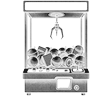
I’d buy. We’ll talk more about ugly ads and why they work next issue 👀
|
|
|
|
Credit: The Ice Pod
|
|
The Directory
How we can help
|
|
How was today's issue?
|
|
Thanks y'all!
|
|
|

















No comments:
Post a Comment