
Why Tech Is Irrationally Obsessed With Humanoid RobotsThe robots actually making money don’t have arms, legs, or heads.
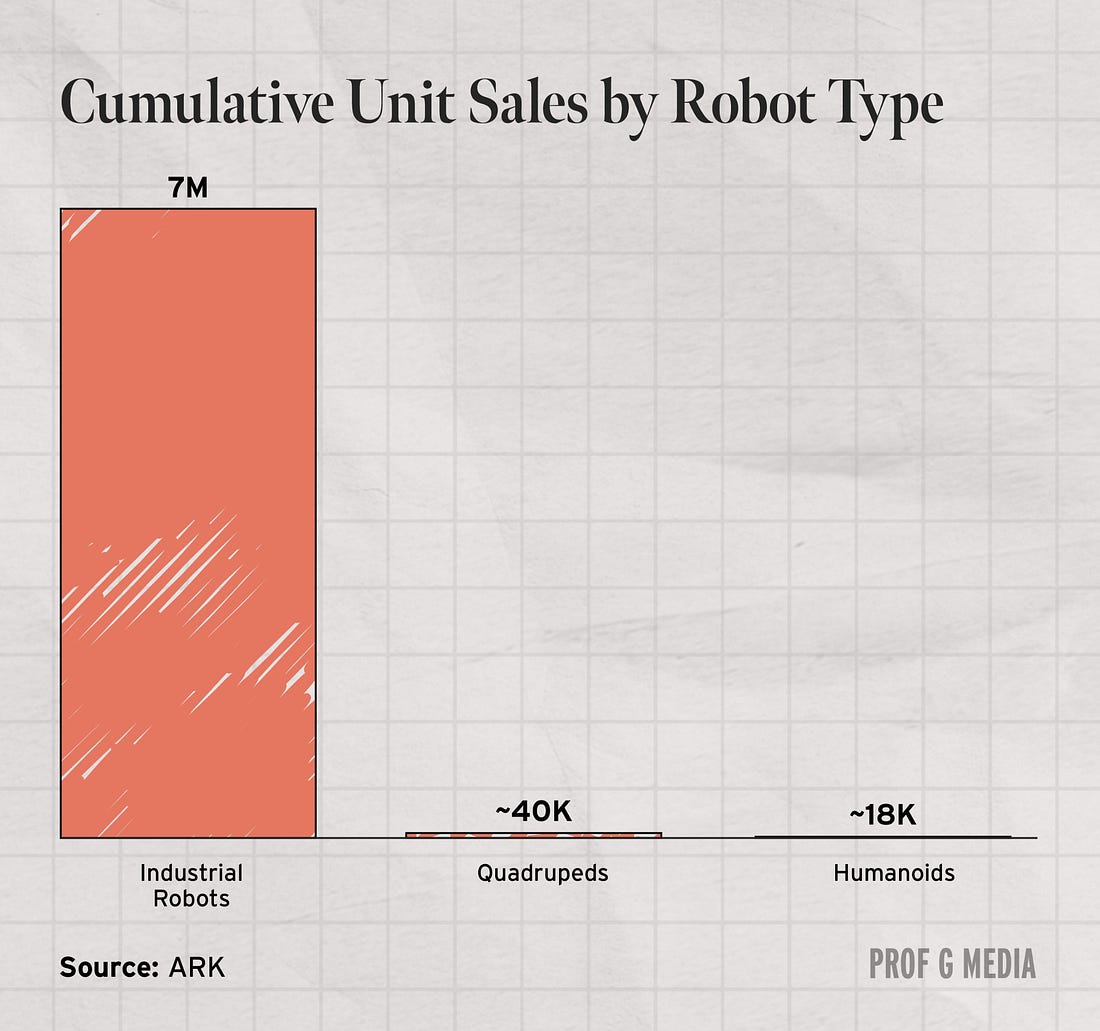
Humanoid robots are good at making headlines, OK at dancing, and bad at doing useful work. This year, a humanoid robot named Lightning beat every person in the Beijing half-marathon — except it fell down midrace and its human minders had to pick it up so it could continue. Weave Robotics announced it will start taking orders for its $8,000 humanoid that can fold your laundry — as long as your clothes aren’t inside out and you aren’t washing blankets or sheets. These aren’t just one-off anecdotes. One of the top humanoid companies in the world confessed that its robots are, at best, half as productive as the humans they’re meant to replace. But even that is misleading, as the robots can only perform unskilled tasks like stacking boxes and doing quality control. However, this sobering truth has not stopped tech executives or investment banks from making unrealistic and deceptively optimistic projections about humanoids. When asked how long it would take for humanoid robots to match human-level ability, Nvidia CEO Jensen Huang replied “this year.” Yet, see above; they can’t fold blankets. Cathie Wood, who manages $15 billion in capital through her ARK investment fund, said that humanoids will “transform” home life by 2028. This is despite the fact that her own firm estimated that a humanoid robot is 200,000 times more complex than a robotaxi, and we haven’t even figured those out yet. Two years ago, Elon Musk said that Tesla would be using Optimus robots in its car factories by 2025 and would be producing them for other companies by 2026. However, no humanoid robots are doing meaningful work in Tesla factories, nor have any Optimus models been delivered to other companies. When you look at the facts — what kind of work humanoids are actually doing and what experts think they’re currently capable of — these grand projections require either miraculous technological leaps … or simply make no sense. This false optimism is misleading and in many cases purposeful, as it conveniently justifies higher valuations and billions of dollars in investment in robot companies and funds. Take Musk, who has promised that 80% of Tesla’s value will come from Optimus robots. Or Wood, whose firm manages a robotics ETF. Or Huang, who has made robotics one of Nvidia’s biggest bets. According to Huang, humanoid robotics will be “one of the largest industries ever” and even more disingenuously said, “We now know how to build these things.” Spoiler alert: We don’t. The EvidenceHere are the facts: Globally, about 50 companies are working in the field of humanoid robotics, but fewer than 10 have advanced beyond small-scale testing. I wasn’t able to find any examples of humanoid robots doing substantive work at scale. Less than 10% of humanoid robots produced last year were deployed in real-world applications. Most buyers are universities, where they’re used for research. UBTech, the company that reported that its humanoids are 30% to 50% less efficient than human workers, is continuing to focus on its humanoid robots not because they’re especially promising, but because Tesla is also doing it, which threatens one of its closest partners, BYD.
If you’re still not convinced of the absurdity of these predictions, consider the case of the robot vacuum. It’s been 24 years since the first successful models were released, only 15% of U.S. households have them. Genuinely useful household products have scaled much faster. Air fryers, launched eight years after robot vacuums, are in two-thirds of U.S. households. Those who do buy robot vacuums are often disappointed by the results. Here are a few of the most recent reviews of the “Amazon’s Choice” robot vacuum:
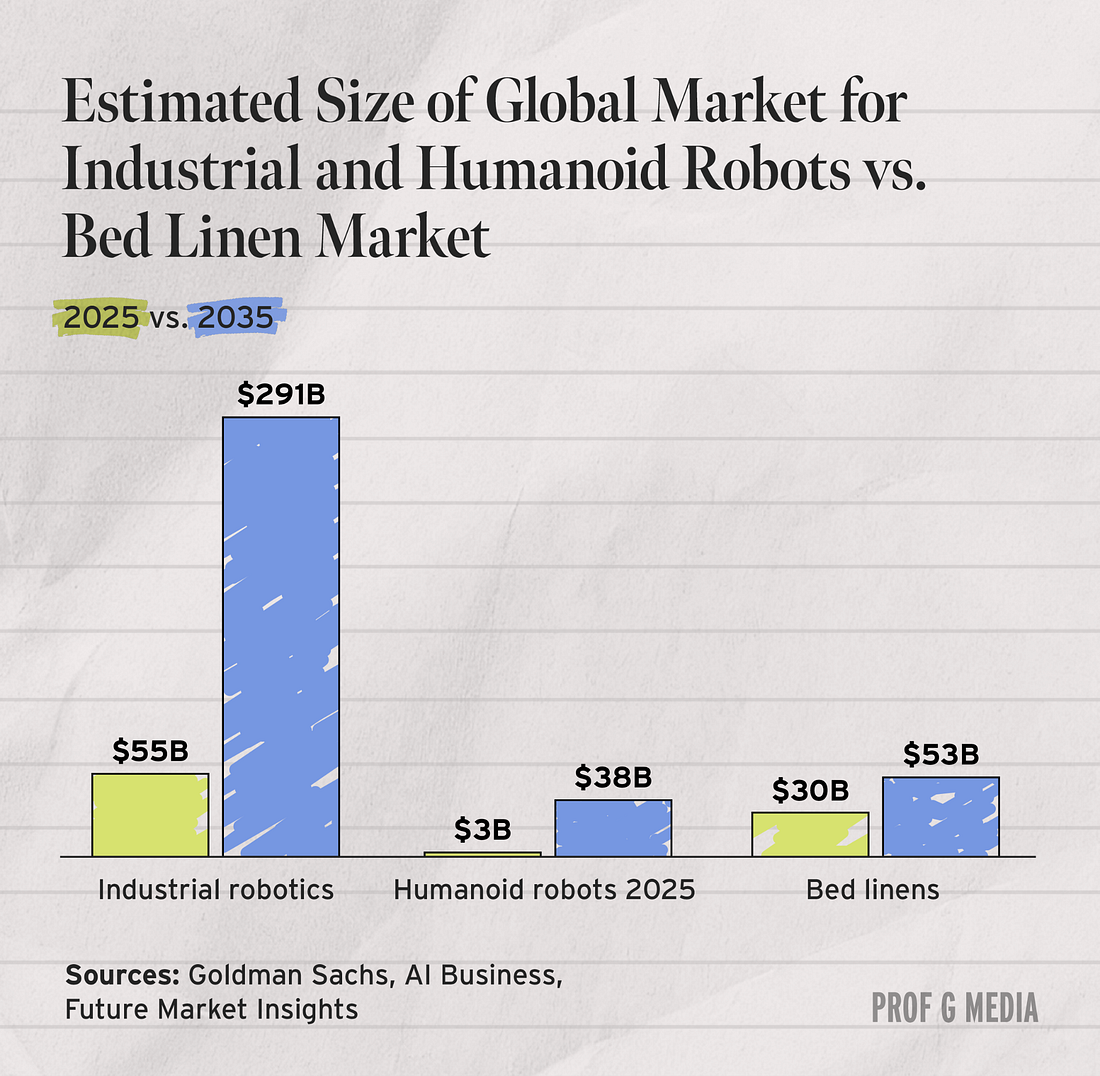
Despite this disappointing reality, Morgan Stanley predicts that there will be 1 billion humanoid robots in use by 2050. This assumes adoption will grow at an unprecedented compound annual growth rate of 69% for 25 years. At its peak, smartphone adoption grew between 30% and 40% per year for nine years. Goldman Sachs estimates that the total addressable market for humanoid robots will reach $38 billion by 2035. Even if you accept this forecast, that would still make it $20 billion smaller than the market for bed linens.
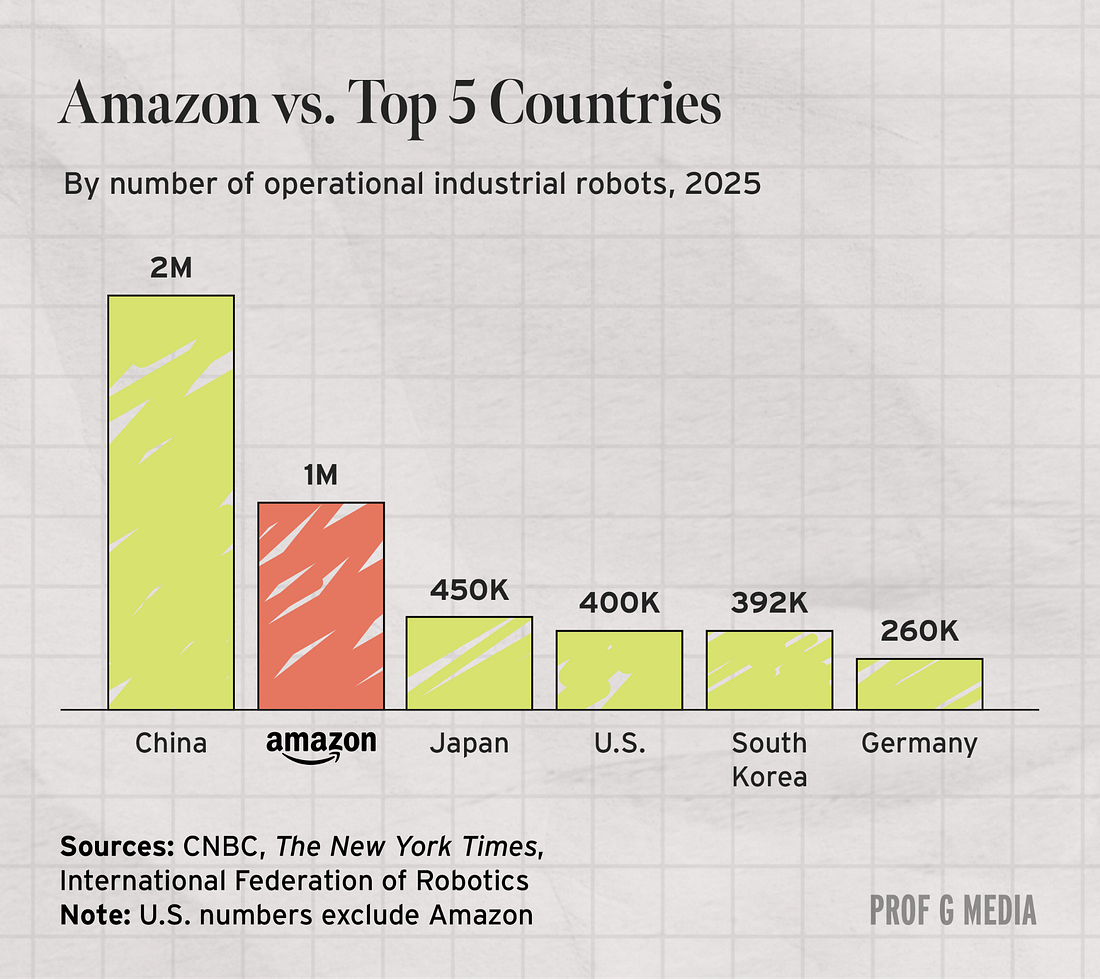
This isn’t to say that humanoid robots will never be lucrative investments; however, it is to say that the ROI on these machines is far more nebulous than tech leaders and bankers have promised. The ProblemsMost analyses of humanoids highlight how the cost of manufacturing their hardware has declined. That’s great — but cost is hardly the biggest problem. The core challenge is that we are not currently able to build a humanoid robot that can run for more than four hours, use fingers like a human, or adapt to a real-life environment. The first challenge, power: Most humanoids can support only two to four hours of charge — not enough to make it through an eight-hour shift. Then there’s the hand problem. Human hands have 27 individual bones, dozens of tendons, and over 17,000 nerve endings, which, it turns out, are hard to replicate. Musk has said that Optimus’ hand and forearm “are the majority of the engineering difficulty of the entire robot.” Take it from the godfather of modern robotics, Rodney Brooks, who in September 2025 wrote: “We are more than ten years away from the first profitable deployment of humanoid robots even with minimal dexterity.” These challenges don’t even touch on the robot’s software. Machines don’t have embodied knowledge — meaning, unlike humans, they don’t have a conscious sense of where they are located in space and how to interact with the things around them. This kind of awareness requires an immense amount of data. According to Dieter Fox, professor of computer science and engineering at the University of Washington and previously head of robotics at Nvidia, “We just don’t have the volume of data we need. And even if we did have enough, it’s not clear that would immediately translate into capable robots.” Perhaps the incredible progress in AI software over the past four years has led people to assume that similarly rapid gains are imminent in robotics. But recreating embodied knowledge requires legions more data than was needed to teach large language models. Four-year-old children can move around their environment more fluidly than humanoids, and to get there they have ingested 50 times more data than even the biggest LLMs. “Humanoid robot problems are so complex that progress on them doesn’t come steadily,” said Jedediyah Williams, a robotics Ph.D. and former Defense Advanced Research Projects Agency (DARPA) researcher. “It requires breakthroughs, and that kind of progress isn’t predictable.” The stakes of deploying an imperfect product are also much higher with humanoids than with LLMs. “The kinds of mistakes we are willing to accept with software are unacceptable with hardware systems. If software messes up, you just run it again,” Williams explained. “If a robot messes up, you can’t get it to unbreak your dishes, or un-step on your kids. LLMs are super impressive, but they generate wrong information constantly. Imagine if people were walking around making as many mistakes as chatbots make.” Why Humanoid?Why do we care so much about creating robots with legs? Wheels are more energy efficient, easier to manufacture, and can carry more weight. Humanoid robot stans argue that since the world is designed for humans with legs, robots with legs will have an easier time getting around, and owners won’t have to retrofit their workspaces for nonhuman workers. However, this contradicts another major argument for humanoids, which is that they will be able to replace humans at dangerous jobs. These jobs are often dangerous precisely because the workspaces are not optimized for the human form. Not having limbs in a meat processing plant is a definite advantage. Humanoid proponents should consider the circumstances of the most successful example of robotics implementation in the past decade: Amazon. After purchasing Kiva Systems in 2012 for $775 million, Amazon spent the next 10 years retrofitting its warehouses to support industrial robots (without heads, arms, or legs). The New York Times reported that the company underwent a “complete redesign of its typical warehouses.” Now, Amazon uses over 1 million industrial robots that have created estimated cost savings of $4 billion per year. It has enabled a huge increase in efficiency: Amazon employees now handle 22 times as many packages, on average, as they did a decade ago.
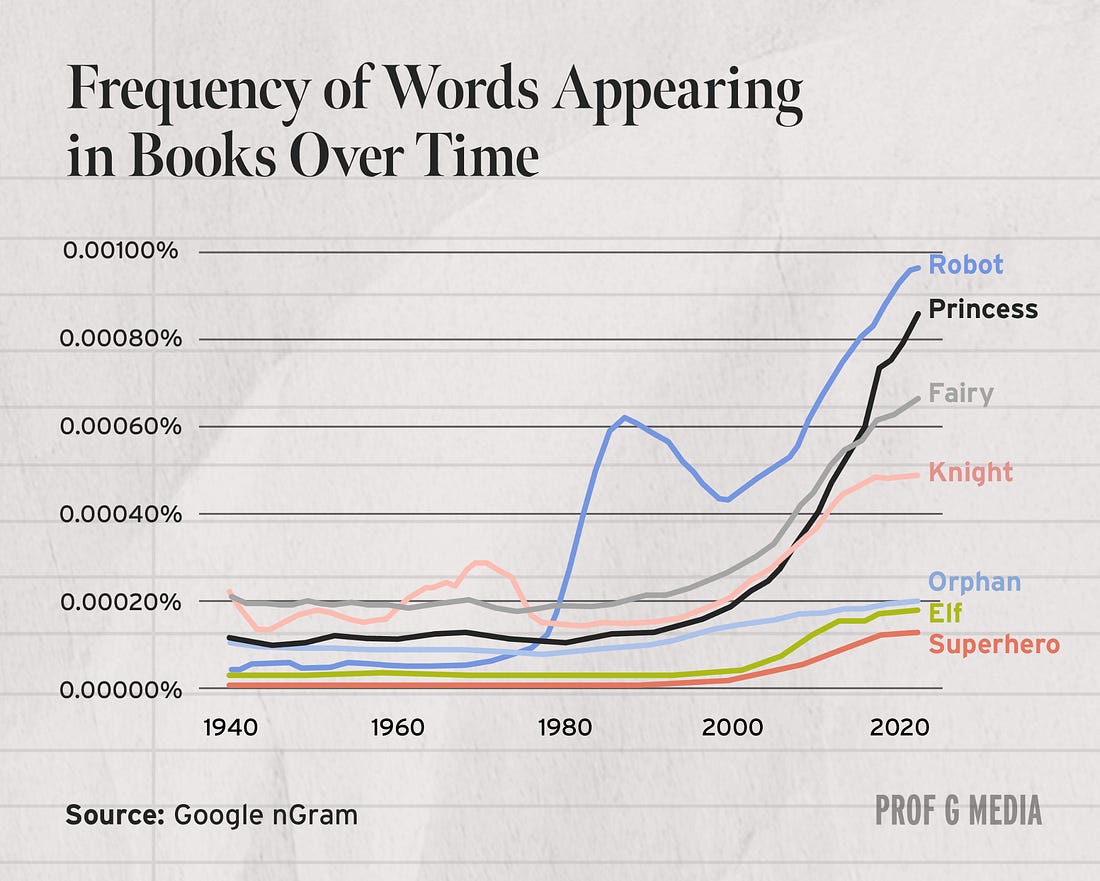
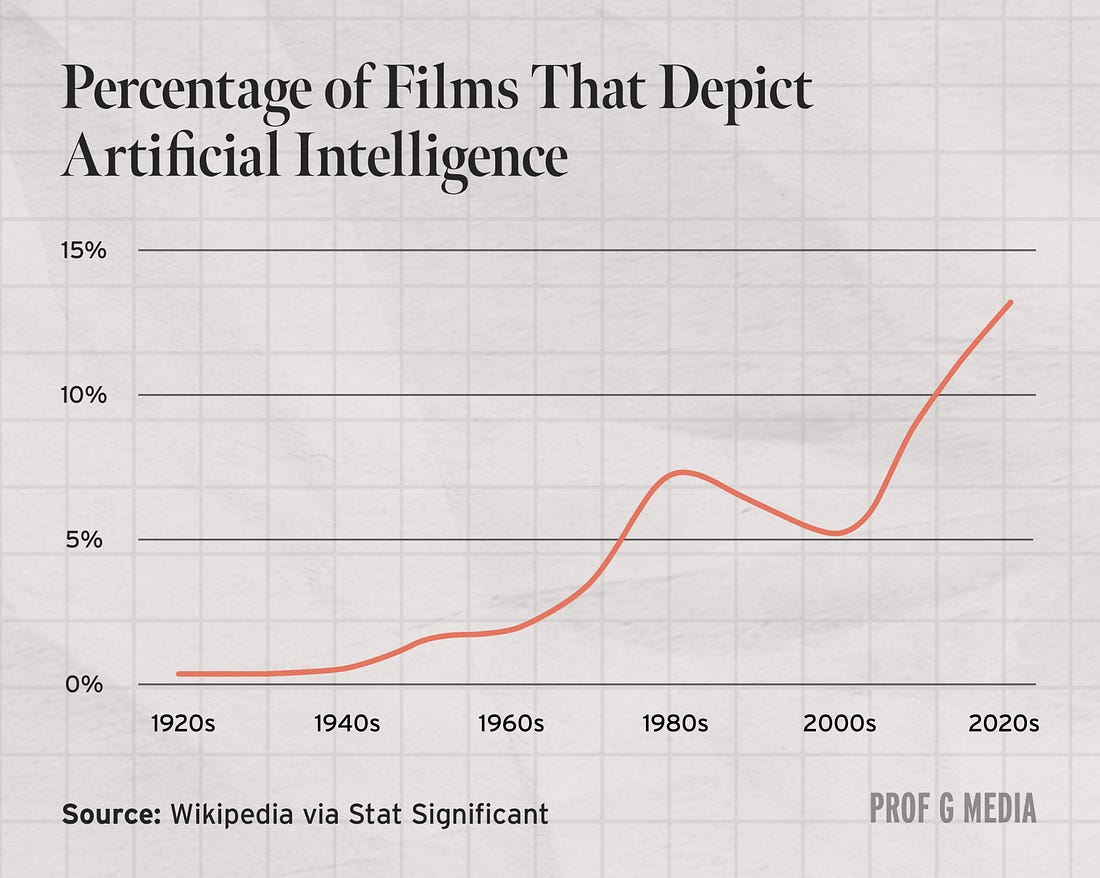
In other words, retrofitting its warehouses was a very worthwhile investment. Consider also that in many industries, factories retool every six to eight years anyway to adjust for new models. Other American companies are now following in Amazon’s footsteps. U.S. industrial robot installations rose 11% year over year in 2025 after three years of declines. Tariffs and President Trump’s reshoring initiatives could offer additional tailwinds as corporations look to increase efficiency and decrease labor costs in domestic factories. Venture capitalists seem to think so. During the first half of 2026, robotics startups raised more than $18.8 billion in funding, compared with a record $15 billion all last year. However, humanoids have outshined their more useful industrial counterparts simply because they fascinate us. They’ve long been the stars of science fiction books and movies, and we’ve always wanted to believe that they’ll populate the world in our lifetime. An ObsessionSince the 1980s, robots have appeared more frequently in literature than any of the most stereotypical protagonists, from princesses, to superheroes, to orphans.
Cinephiles love robots, too. A remarkable 15% of mainstream movies in this decade feature artificial intelligence, either a robot or sentient virtual assistant.
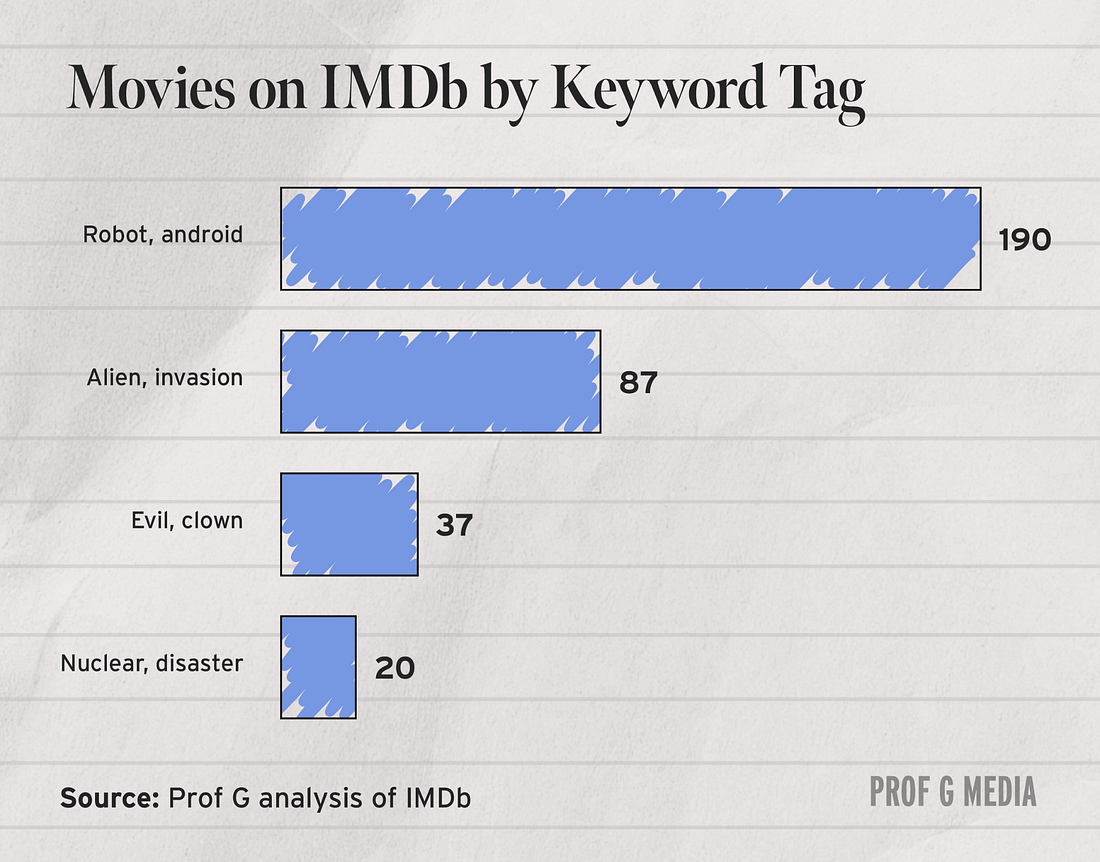
In fact, more movies on IMDb are tagged with “robot” or “android” labels than nuclear disasters, alien invasions, or evil clowns.
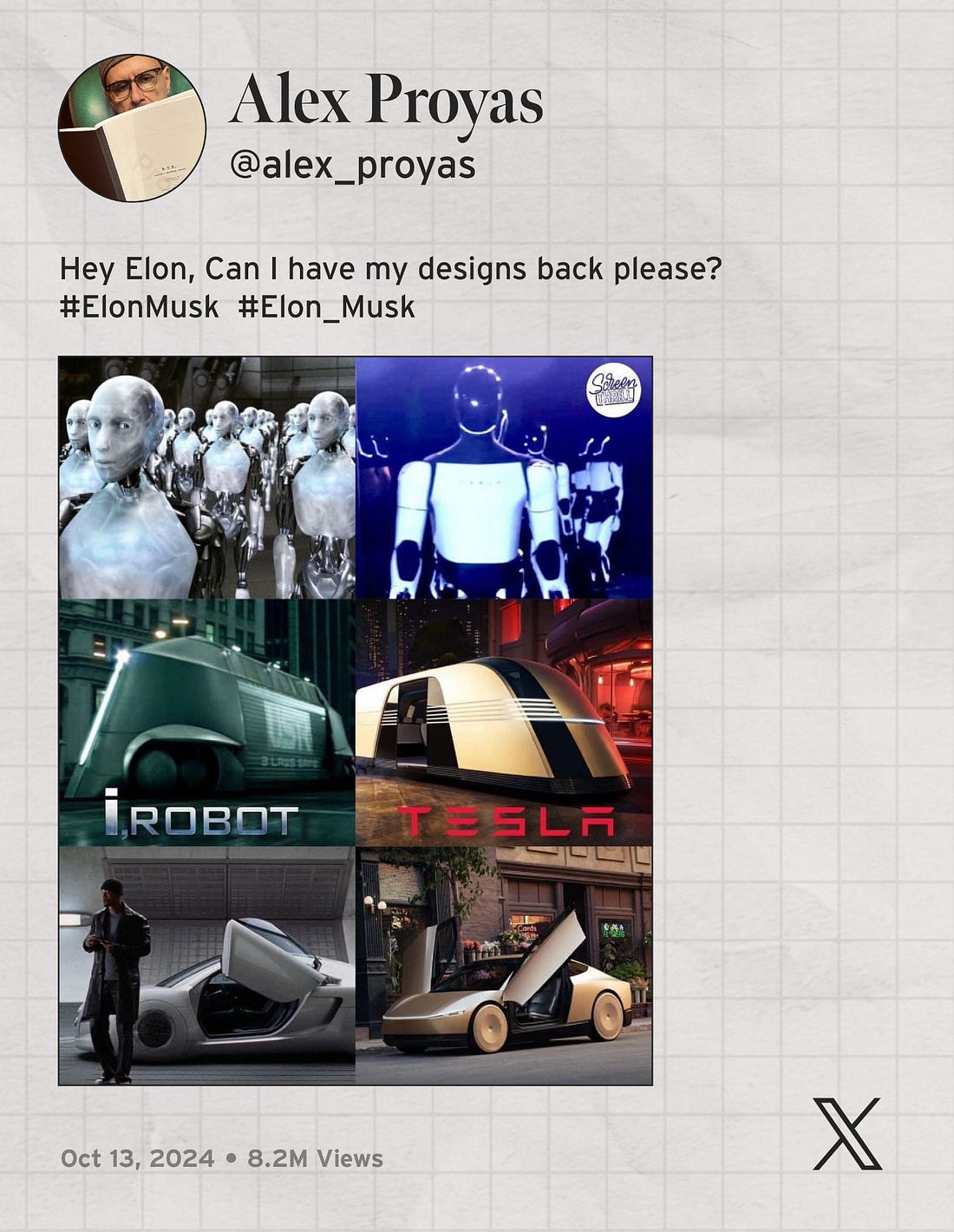
“The obsession with humanoid form stems from a desire to play God,” Tim Chinenov, a former Tesla engineer, told me. “The humanoid form factor is actually really impractical in most settings, but it represents the convergence of man and machine, and if we can re-create ourselves in machine form, we’ve solved every problem.” In fact, two of the most prominent figures in the industry, Musk and Brett Adcock, CEO and founder of Figure AI, a leading humanoid robot company, have cited Isaac Asimov’s science fiction series about humanoid robots as having a formative influence on their careers. The books wrestle with many different philosophical and moral questions, and also notably feature legions of robots that must obey human orders. “The vision of having a mechanical slave is deeply intertwined with science fiction, and I think a lot of tech leaders want to achieve that dream,” Williams noted. Musk went so far as to design many Tesla products to resemble the robots, trains, and cars in the film adaptation of Asimov’s book I, Robot. Alex Proyas, the movie’s director, noted the similarity on X.
Science FictionIn 2024, Musk told an audience at Cannes Lions that Tesla’s Optimus robots will be able to “walk your dog, take care of your house, babysit the kids, cook dinner, [and] play the piano.” “I think people will start to regard their personal Optimus robot as sort of a friend,” he explained. It’s no secret that Musk is radically optimistic about the technology that would bring his favorite science fiction series to life. What’s less clear is: Do other people want a robot friend? Or even a robot housemaid? Not really. According to a recent survey, 60% of American adults are not interested in having a robot to assist with household tasks. Of those who want an at-home robot, only 30% are willing to pay more than $1,000. Even if humanoids had the technical capability to be housemaids, they currently cost between $100,000 and $200,000 to make. To summarize: Experts have no idea how to create the idyllic “robobutler,” a technology that not many people actually want. Also, unlike industrial robots that are already enormously successful, humanoid robots are slow, expensive, and dangerous in factory settings. And yet — Elon Musk, Jensen Huang, and Cathie Wood (just to name a few) keep trying to convince us that useful humanoids are right around the corner. Where that corner is, no one knows.
I used to assume that since adults run the business world, each business decision was underpinned by data and careful reasoning. I have since learned that is not the case. Sometimes when you can’t find a rational explanation, you have to start thinking about irrational ones. For example, when Amazon announced its search for a new HQ, Scott correctly predicted that it would be NYC or DC. His reasoning? The only criterion that really mattered wasn’t tax subsidies, but where a 55-year-old, soon-to-be single man wants to spend his time. The answer was easy: where CEO Jeff Bezos already owned homes: NYC and DC. The corollary here is that promising near-term ROI from humanoid robots is not rational, or data-driven, but instead the result of middle-aged men’s obsession with robots in science fiction.
You're currently a free subscriber to Prof G Media. For the full experience, upgrade your subscription.
|









No comments:
Post a Comment