This was the second week of videos from the 250 to 250 Project that we’re producing to honor the 250th anniversary of the Declaration of Independence.
We designed the videos to emphasize the agency of Americans—mostly everyday Americans—to change the country. Each falls into a category that defines what it means to be an American, including community, democracy, innovation, mobility, civil rights, education, conservation, and creativity.
The timing of the release of the videos is sometimes about anniversaries—June 1 was Senator Margaret Chase Smith’s Declaration of Conscience speech, and today is the anniversary of D-Day—but they are more often tied to when scripts were done and narrators were available. I have nothing to do with when they come out, so I am amused this week to see the videos highlight ten of my own favorite events, from the Pujo Committee and Man o’War, whose story as told by Walter Farley was so mesmerizing to me as a child that I’ve kept the book all these years, to the Hubble Space Telescope, whose images I used to love to contrast with medieval world maps to emphasize for students how the stories we tell about the world shape our culture.
I hope you enjoy them.
You can follow the project at the sites listed below, or under “videos” at my own YouTube page: Heather Cox Richardson. Or just wait until I send out the week’s roundup.
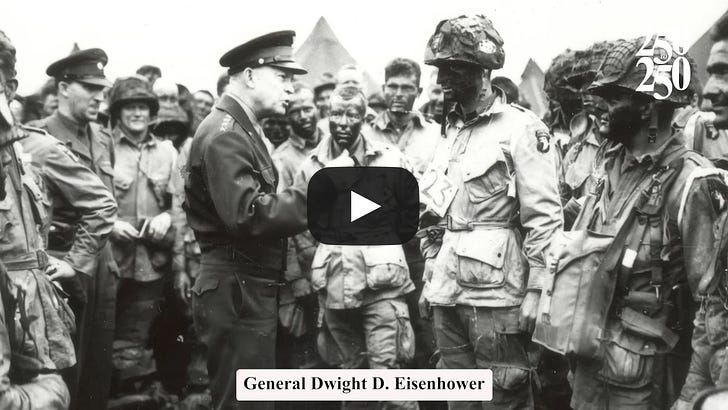
Dr. Todd Arrington is a historian, writer, and veteran. He serves as Executive Director of the Jamestown Rediscovery Foundation and is the former Director of the Dwight D. Eisenhower Presidential Library. Arrington tells the story of the message Eisenhower drafted before D-Day, accepting sole blame should the invasion fail.
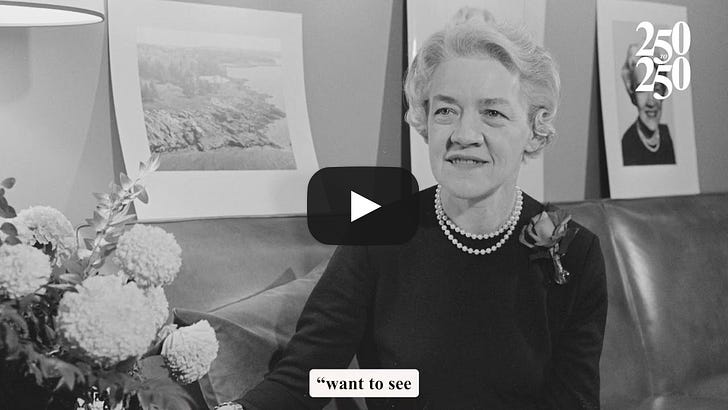
Maine Governor Janet Mills is a former Attorney General, state legislator, and the first woman governor of Maine. Governor Mills recounts Republican Senator Margaret Chase Smith’s stirring rejection of McCarthyism.

Michael Green is a Professor of History in UNLV's Department of History and teaches courses on nineteenth-century America and on Nevada and Las Vegas. Green details how the Rat Pack encouraged racial integration and reflected the melting pot of American culture.

Filmmaker Ken Burns explores the legacy of Ellis Island, the immigration entry station that processed millions of immigrants coming to America.
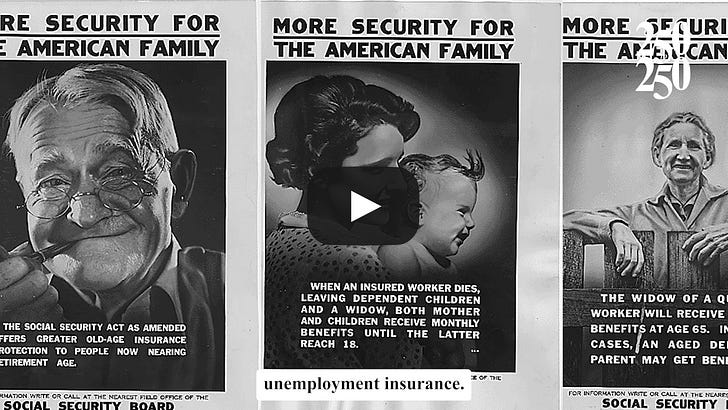
Jan John is a retired sales executive, active volunteer in local Maine politics, Social Security beneficiary, and dog lover. Jan John reveals how pioneering Labor Secretary Frances Perkins fought to create Social Security benefits during the Great Depression.

Governor Andy Beshear of Kentucky is currently serving his second term in office with a strong focus on education, disaster response, faith, and family. Governor Beshear tells the story of Man o’ War, the prolific thoroughbred race horse who helped restore Americans’ faith in the country after World War I.
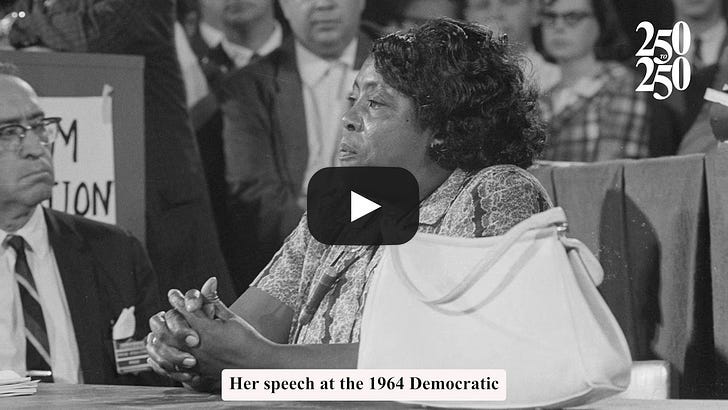
Monica Land is a journalist and niece of civil rights icon Fannie Lou Hamer. She produced the award-winning film, “Fannie Lou Hamer's America” and now manages the digital educational website, fannielouhamersamerica.com. Land remembers the inspiring life of the Mississippi voting rights activist who asked “Is this America?”
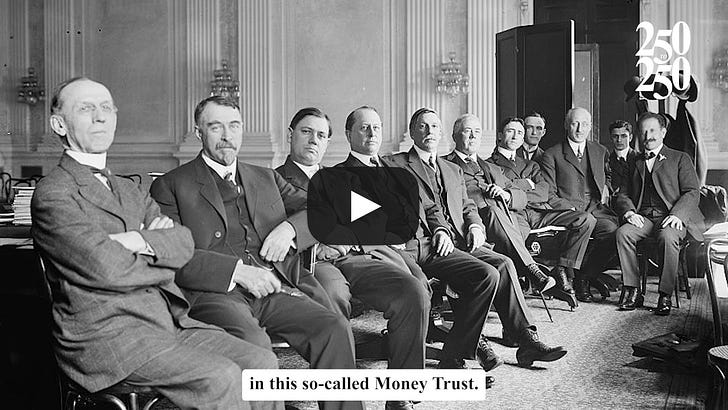
United States Representative Joe Morelle of New York serves as Vice Ranking Member on the House Appropriations Committee and is a Ranking Member of the Committee on House Administration. Representative Morelle explores the impact of the Pujo Committee’s 1910s examination of consolidation in American banking.

Mike Massimino is a former NASA astronaut, Columbia University Engineering Professor, New York Times Bestselling Author, and the first person to Tweet from space during the Hubble Space Telescope missions. Massimino explains how the Hubble Space Telescope has revolutionized our understanding of outer space and serves as a testament to American ingenuity.
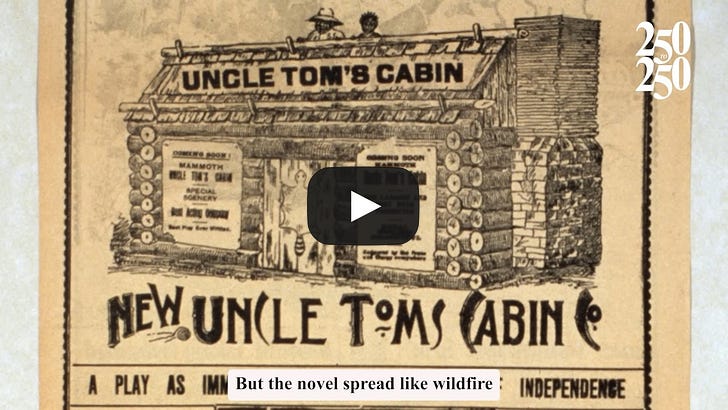
Roxana Robinson is an award-winning novelist, biographer, scholar, and the great-great-great niece of Harriet Beecher Stowe. Robinson recounts how Harriet Beecher Stowe’s 1852 “Uncle Tom’s Cabin” changed how millions of Americans thought about human enslavement.
Follow Along | #WeAreAmerica250
Substack | YouTube | Facebook | Instagram | TikTok | Bluesky | Threads
Share





No comments:
Post a Comment