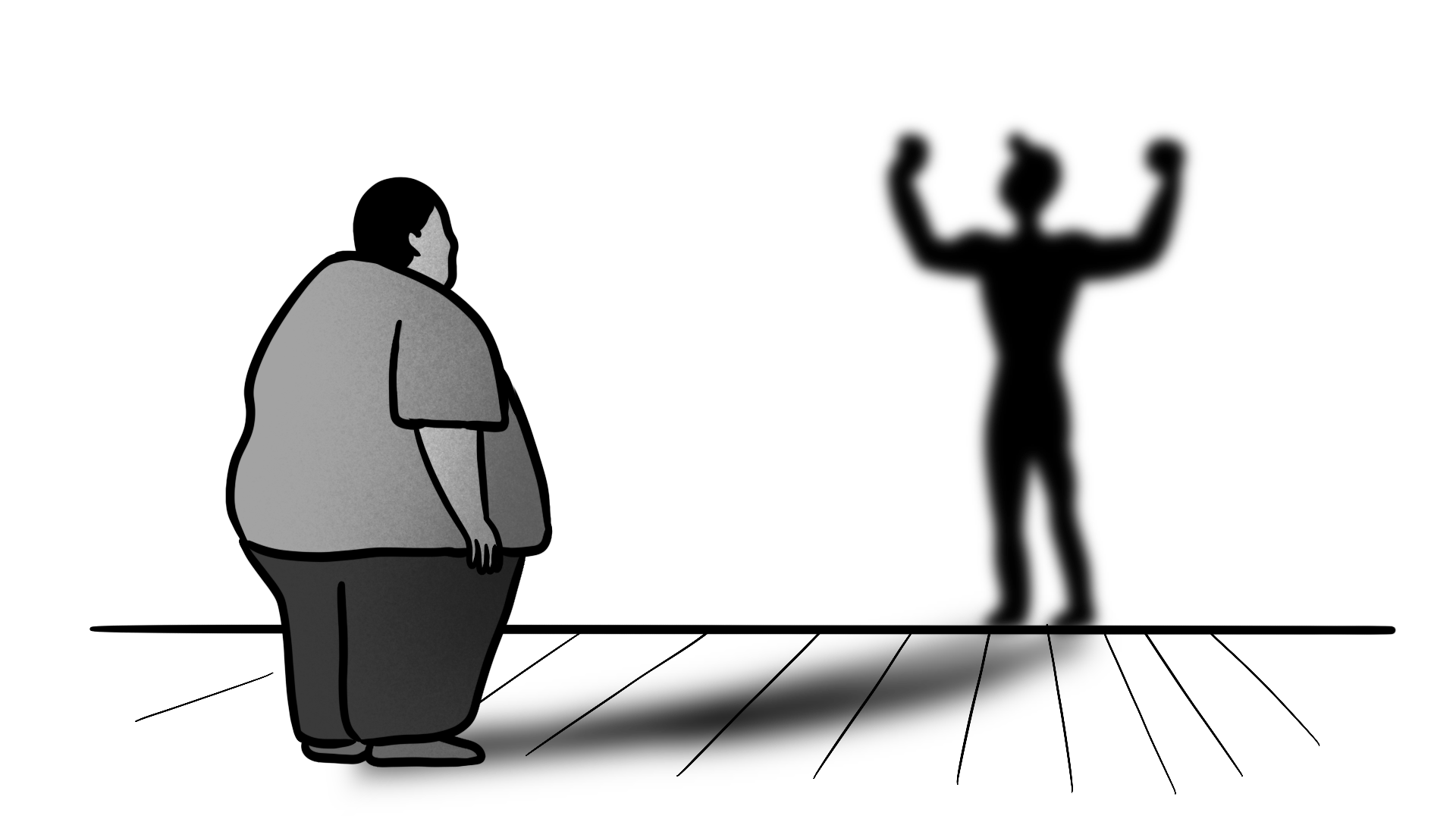
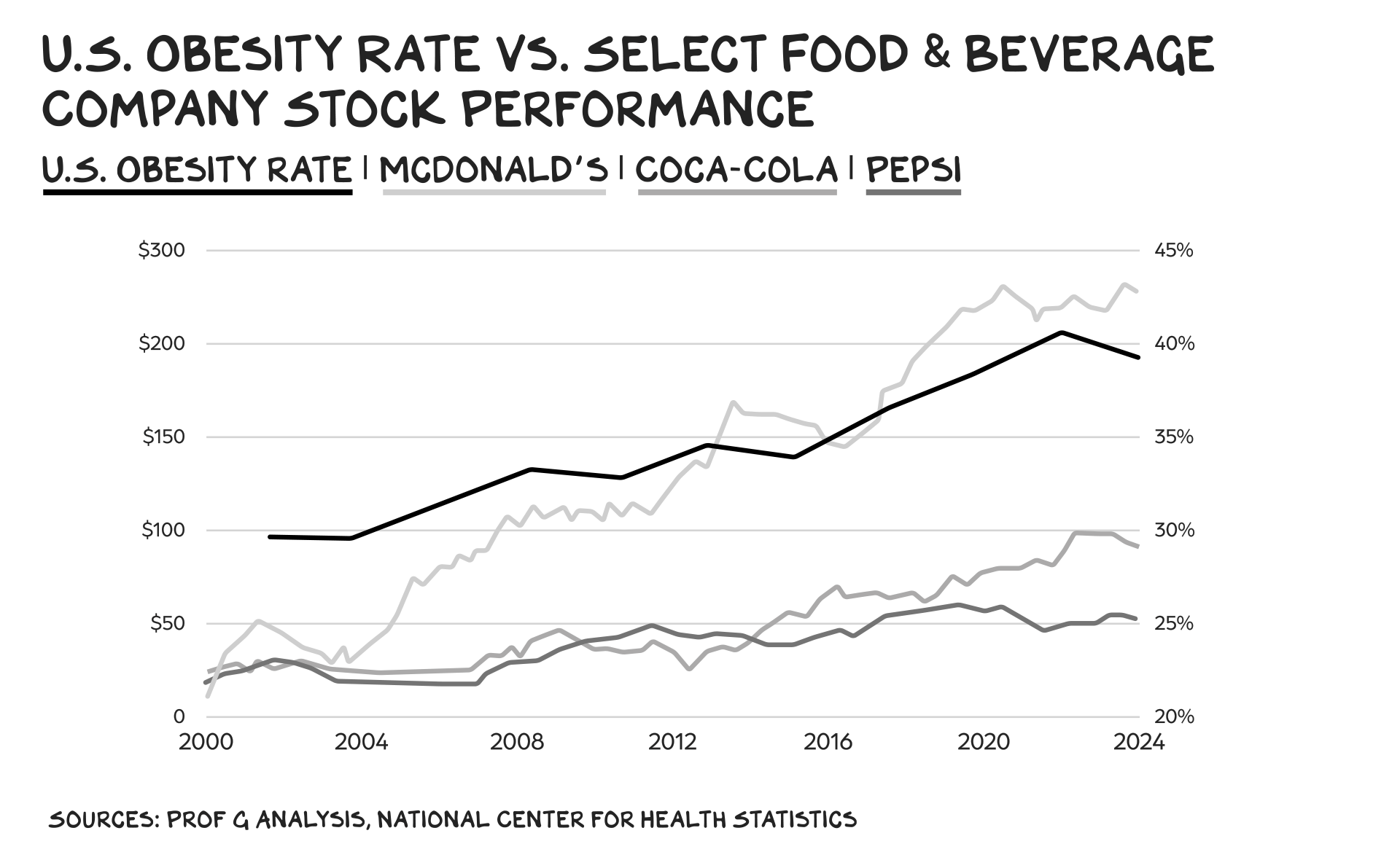
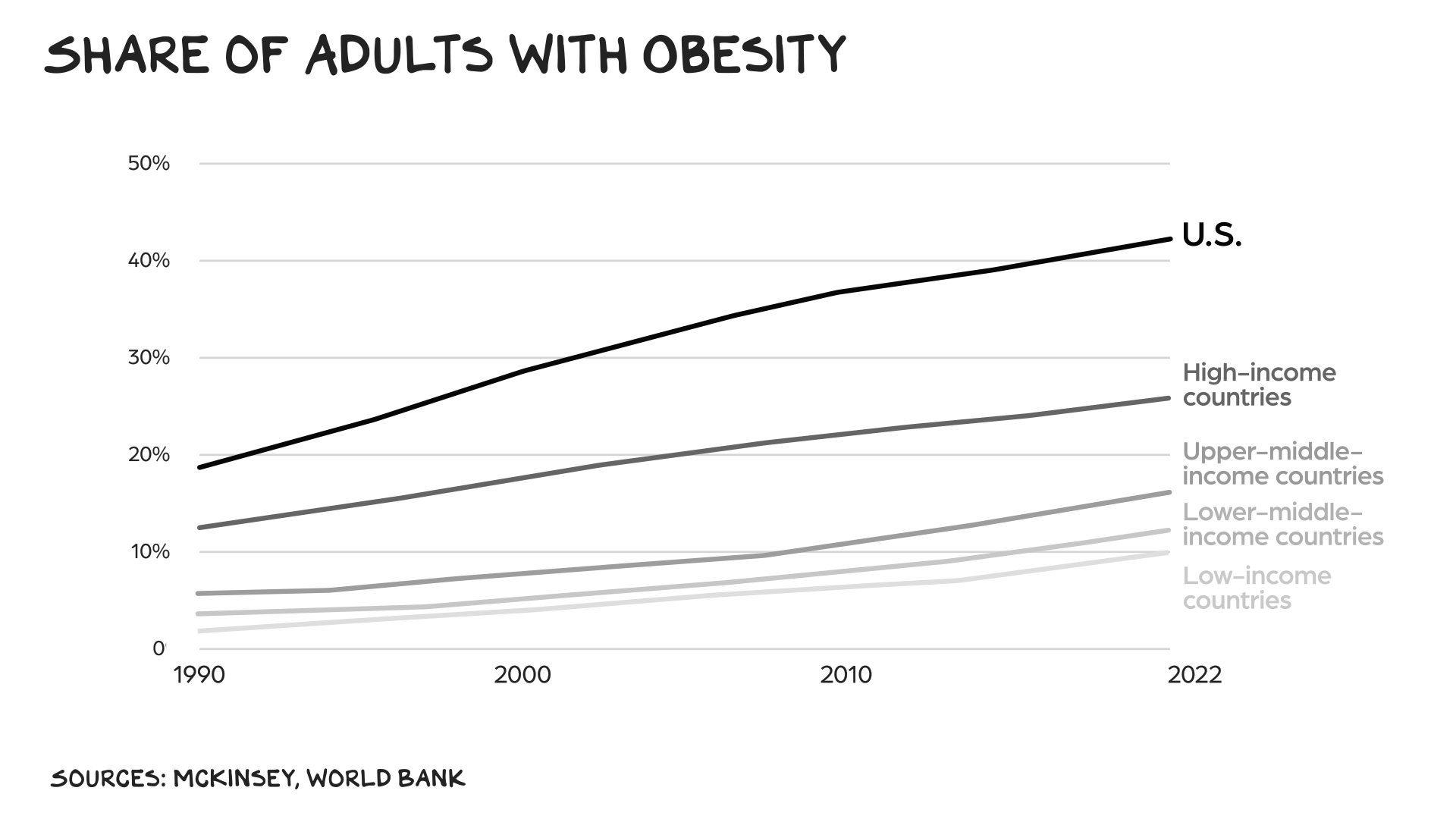
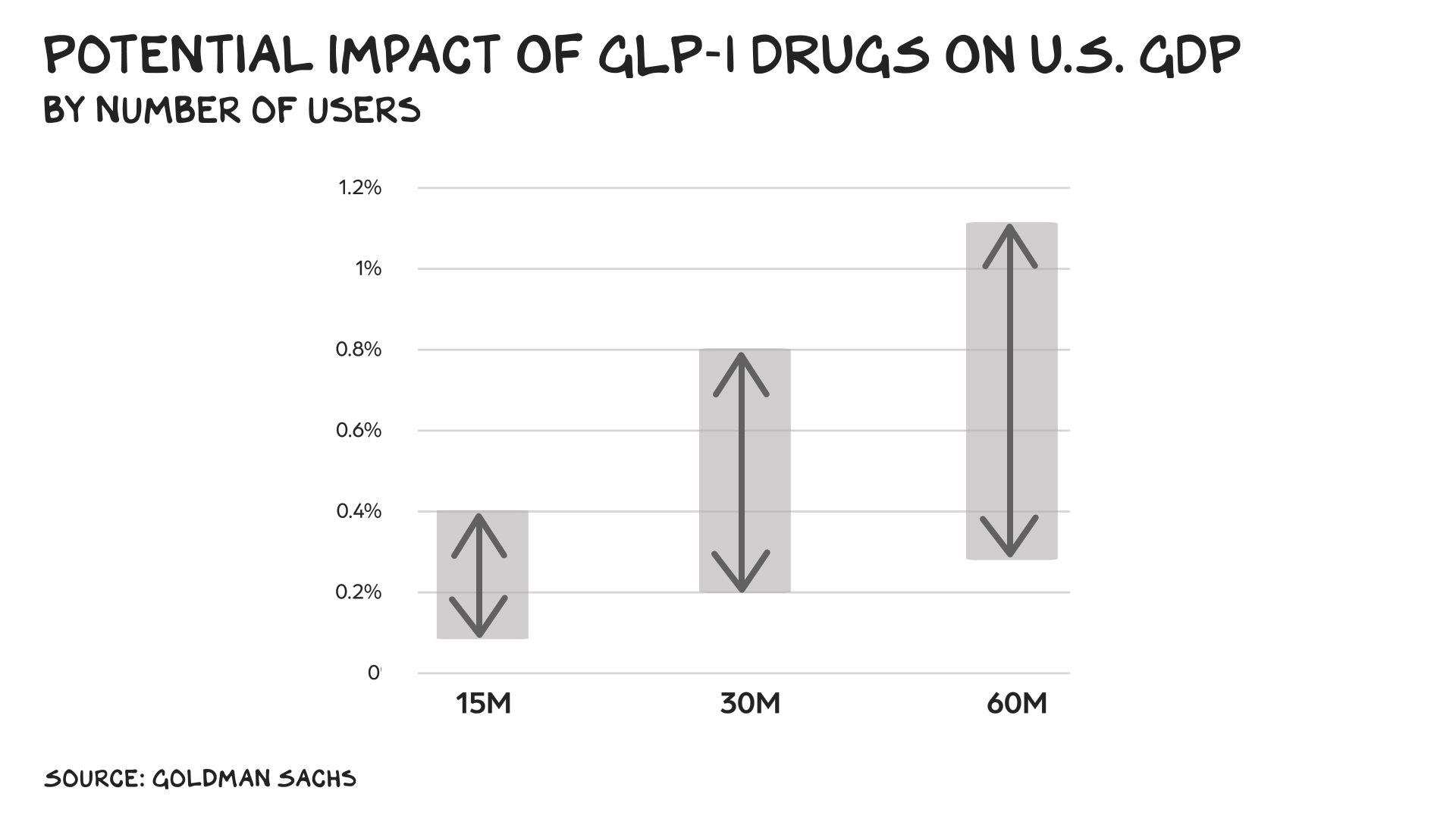
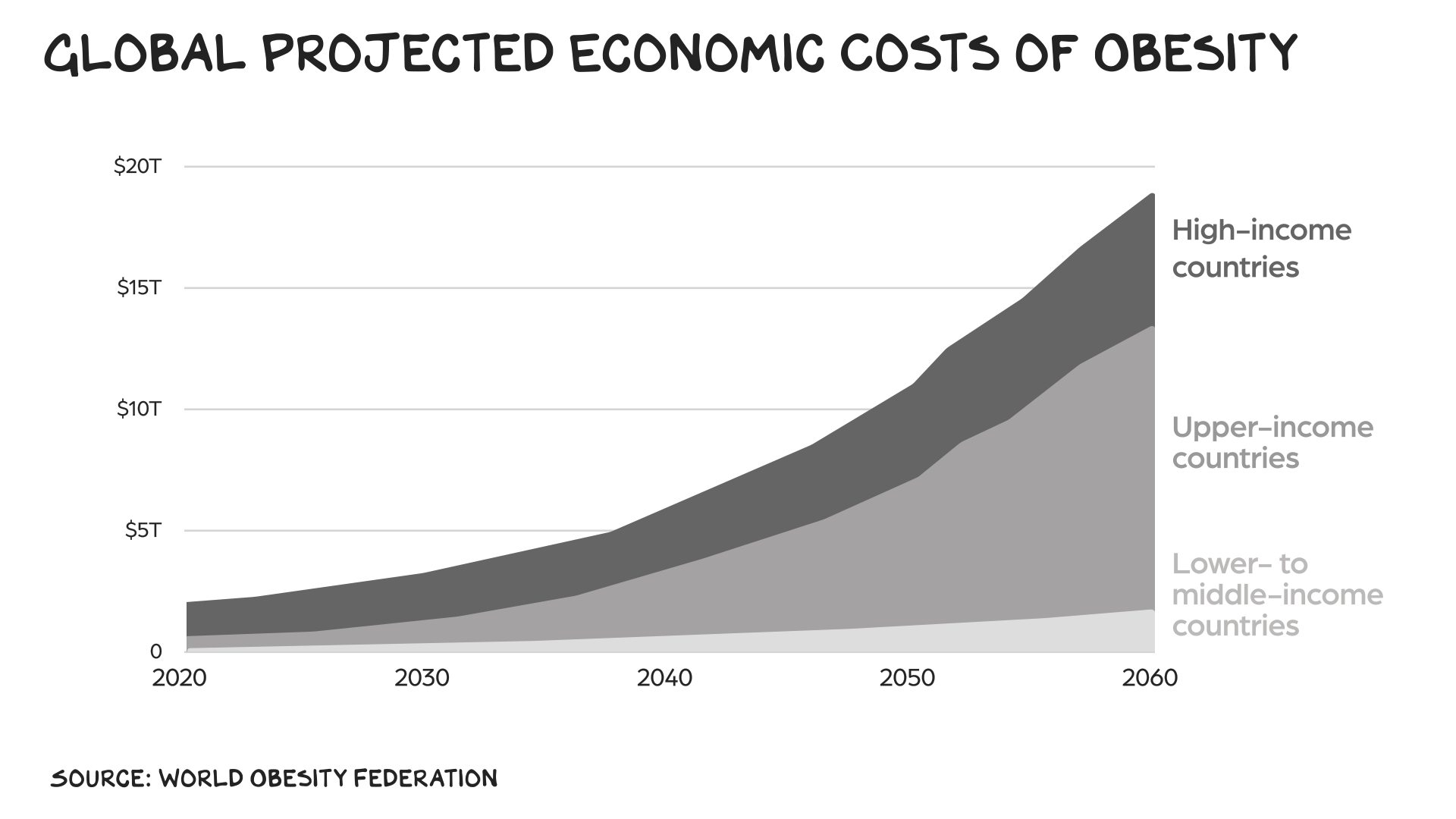
| | Was this newsletter forwarded to you? Subscribe here | | America is now one giant bet on AI. If not for the Magnificent 10, the markets would be flat for the year. There's a different technology that offers more asymmetric upside. If we want to transform the economy — and the well-being of Americans — we should focus on GLP-1, not GPT-5. | More than 40% of American adults — 100 million people — are struggling with obesity. By 2060 half of U.S. adults may be obese. The healthcare costs of all that extra weight could exceed $20 trillion over that period. | Our debt — $5 trillion in receipts vs. $7 trillion in spending — has become the IED of our economy. We don't know when or why it will detonate. If we're going to have an adult conversation re spending, all roads lead to the same place: healthcare. We spend $13,000 per person, versus $6,500 in the rest of the G7. Matching the efficiency of our peers would save us $2 trillion a year. | Why do we spend double to die sooner, while experiencing more anxiety, depression, and chronic illness? Our problem isn't vaccines, food dyes, or Tylenol. It's fat. The Milken Institute and McKinsey have estimated that obesity costs us about $400 billion annually in direct medical costs and lost productivity. | U.S. healthcare isn't about caring for health — it's about monetizing it. Just as Big Tech found the gangster app for shareholder value (rage), the industrial food, hospital, and pharma complexes have found obesity. They get you addicted to sugar and salt, then hand you to the "non-health" complex for replacements, dialysis, and statins. They've even rebranded disease as identity: You're not obese, you're living your truth. No — you're finding diabetes. McDonald's and Coca-Cola celebrate obesity so UnitedHealthcare can monetize it. These stocks aren't equities; they're obesity indices. | | We know exercise, healthier food, and less screen time help. But they're not enough. The good news: Obesity may have peaked in the U.S., and we have the tools to actually reverse it. Pushing for a radically lower price and rolling out weight-loss drugs to tens of millions of Americans could be revolutionary — possibly the best civic investment in recent history. | Sticker Shock | In sum, our instincts have not kept pace with industrial production, and we gorge. GLP-1s put scaffolding on our instincts. Most of us have friends or colleagues we barely recognize after they've taken novel weight-loss drugs. By mimicking a hormone called GLP-1, the medicines suppress hunger and make us feel fuller longer. The results are dramatic — 15% to 20% reductions in body weight — yet uptake remains small relative to the tens of millions who could benefit. | | Coverage is patchy. Only 30% to 40% of commercial plans and 14 state Medicaid programs cover the cost of GLP-1s for obesity. The administration is considering a pilot to expand coverage under Medicaid and Medicare — a shift in policy after rejecting a Biden-era plan that would have cost $35 billion over 10 years. | Prices need to fall for the math to work. If Medicare began covering GLP-1s, researchers estimate 3 million beneficiaries would start using them over the next decade at a gross cost of $66 billion and savings (in avoided healthcare spending) of $18 billion — for a net price tag of $48 billion. | Price Cuts | Costs are moving in the right direction. Wegovy and Ozempic now run under $7,000 a year; Costco offers a monthly supply of obesity drugs for $499; and competition from Lilly and others is driving prices down. More than 100 next-generation obesity drugs are in development, including pill versions. | President Trump on Oct. 16 vowed to slash GLP-1 prices to $150 a month to match the expense in other developed nations, but no deal yet exists with drugmakers. Investors, however, took him seriously: Shares of Novo Nordisk and Lilly dropped sharply on the news. | Economist Emily Oster argues the budgetary worries of expanding access are overstated. Medicaid tends to pay far less than private insurers, and a "typical" 53% discount could drop monthly costs to $235. If 10% of eligible patients took the drugs, it would raise Medicaid spending by just 0.4%. | The concerns also miss the upside: About 5 million U.S. adults use GLP-1s today. If 30 million did, Goldman Sachs estimates GDP would rise as much as 0.8%. At 60 million, the increase could exceed 1%. | | Global Weight Class | America isn't the only country fighting this epidemic. In Britain, obesity costs the economy £31 billion a year in lower productivity, sick days, and early deaths. "We've created a food system that's poisoning our population and bankrupting the state," says Henry Dimbleby, co-founder of Leon restaurants, which bills itself as a purveyor of fast but healthy meals. | | Defusing the Food Bombs | These drugs aren't a silver bullet, but they are a bullet. Many people quit taking them within a year or two, often because of cost or gastrointestinal side effects, and lasting success still requires exercise and diet changes. But alongside those measures, GLP-1s may be the key to fighting a complex disease rooted in physiology, environment, and policy as much as behavior. | In a society addicted to ultra-processed food and sedentary hours lost in front of screens, we need new weapons. Former FDA commissioner David Kessler calls GLP-1s a way to "defuse the ultra-formulated food bombs" that have hijacked our health. | RFK Jr. has called for "lifestyle" changes while cutting NIH funding — the moral equivalent of telling people to lift weights while closing the gym. The administration's "Secretary of War," Pete Hegseth, has shamed "fat generals" but offers no help other than performative masculinity. | Bending the Curve | Scaling access could prevent adult obesity from topping 50% — and push it back toward 30%. Giving 10 million Americans GLP-1s and lowering their monthly cost to $50 would run $12 billion over two years. That's a bargain. Targeting the patients most likely to benefit would improve returns further. Obesity shortens life expectancy by up to 10 years, partly because it increases the risk for more than a dozen types of cancer. Reducing its prevalence would yield massive health and productivity gains over the next 30 years. I'm sticking with the thesis I shared with Bill Maher two years ago: GLP-1s will have a bigger impact on the real economy than AI. | The Cost of Inaction | OpenAI's Sam Altman calls Sora "the most powerful imagination engine ever built." In reality it's an endless feed of digital slop, further blurring the truth. The real engine of progress comes in a syringe. Maybe we should put it in the water. | Researchers are aiming to preserve muscle and overcome one of the drawbacks with the first treatments, or eliminate injections altogether. They're also testing GLP-1s to treat conditions beyond obesity. Novo Nordisk is betting its drugs can work against Alzheimer's. Whether or not these efforts succeed, the trajectory is clear: This technology could reverse the most expensive disease in history. | America's two great growth engines are rage and carbs — AI monetizes the former, the food complex the latter. GLP-1s may finally break the loop: shrinking our waistlines, cutting costs, and reminding us that progress isn't digital, it's biological. The next great platform isn't the neural net — it's the needle. | Life is so rich, | | P.S. On Raging Moderates this week, my co-host Jessica Tarlov spoke with David Frum of the Atlantic about the Democratic Party's predicament — and the value of tacking to the center. Listen here on Apple or Spotify, or watch it here on YouTube. | ____________sponsored content ____________ |
|
| Fact-based news without bias awaits. Make 1440 your choice today. | Overwhelmed by biased news? Cut through the clutter and get straight facts with your daily 1440 digest. From politics to sports, join millions who start their day informed. | Sign up now! |
|
| ____________sponsored content ____________ |
|
| |
|




No comments:
Post a Comment