The digital ad market is recovering after a few (very) bad years driven by Apple's privacy protections and other changing browser tech, the ubiquity of ad-blockers, and ever-evolving regulation.
But even with a good quarter for Meta and Alphabet's ad revenue growth — and with digital audio ads on a particularly strong trajectory — once-viable models are starting to look all but obsolete. Most users skip video ads. Cookies are out (at least in California). Generative AI search could hit online publishers with 20% to 60% traffic declines and billions in lost ad sales, according to AdWeek's sources.
Where does that leave your marketing budget?
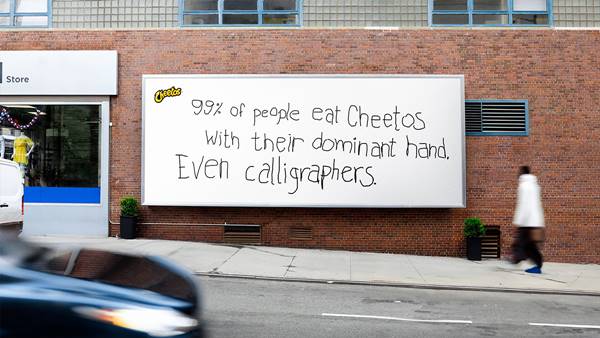
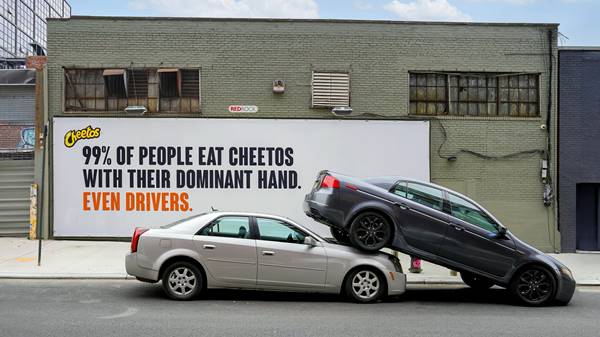
One possible avenue might be making the old new again. B2C companies have increased traditional advertising spend by double digits in recent years. With price-per-click way up, old-school ad formats — print, TV and radio — all offer more bang for your ad buck, Ebiquity found.
That improved ROI reflects a population that's craving tangibility post-COVID, as we've seen from the return of shopping malls, along with record stores and bookshops. With 94% of Americans commuting to work again, transit advertising increased in 2023, according to the Out of Home Advertising Association of America.
"When brands hit the subway, we see desired KPIs rise, from brand awareness — which is huge for small/medium businesses — to website traffic, discount code redemption, sales, and even social sharing," says Elizabeth Rave, VP of Marketing at Outfront Media. She adds, "OOH also drives 7X more social activations, per ad dollar spent, than any other media … and is rated the most trustworthy medium by the younger generations (millennials and Gen Z)."
So, does OOH work better for some brands or industries than others?
"For the small-to-medium players, transit ads make sense two ways: they are multilocation — fast casual does well — or they are a 501(c)(3) mission-based organization that can benefit from building out a public partnership," explains Sean Swensen, CEO of Momentum Strategy Growth Consulting and a veteran of the out-of-home ad space.
(Swensen cautions that takeovers of an entire station — usually the highest-tier transit offering — are "really only going to be cost-effective for the big business trying to do something very specific.")
It doesn't hurt that municipalities nationwide usually offer price breaks to local businesses.
In New York City, the subway acts as a rolling billboard for hordes of residents and tourists. "Regional advertisers … want to reach the MTA's millions of daily transit riders but have modest budgets, and appreciate the value and cost-effectiveness of the MTA Away co-branded programs," Metropolitan Transportation Authority spokesperson Kayla Shults says.
Adds Rave of Outfront, "Public transportation is also the lifeblood of the city, making it the perfect canvas for any homegrown brand — founded in that city, colleges, restaurants, etc. … This allows brands and businesses an opportunity to speak the language and nuances of the community in which they are reaching."
Digital advertising is here to stay despite its recent troubles; you can't count out a $600 billion industry. Still, analog ads cut through the constant din of digital noise, instantly grounding your brand in the real world — which, as it turns out, is where people kinda want to be right now.












No comments:
Post a Comment