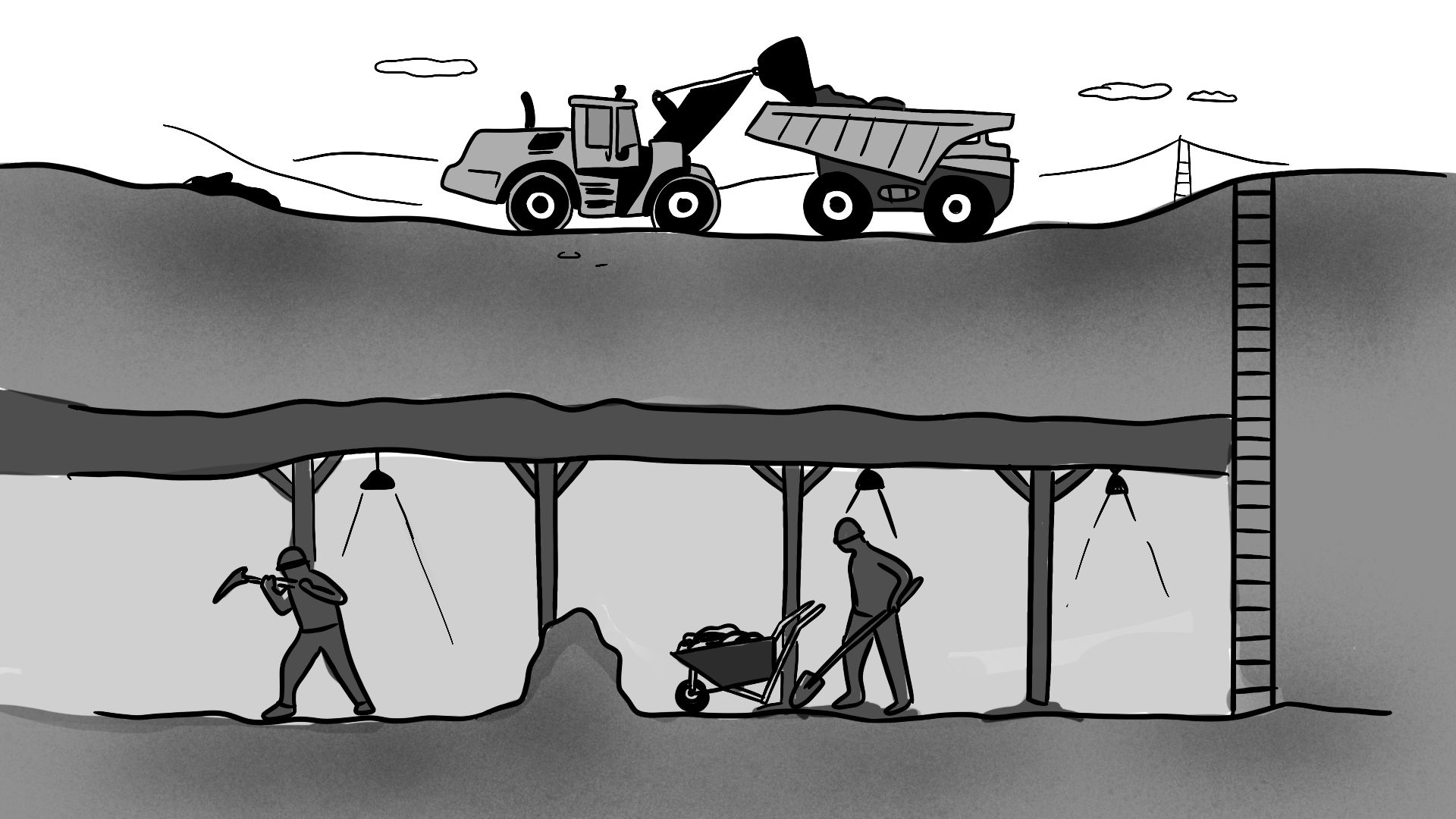
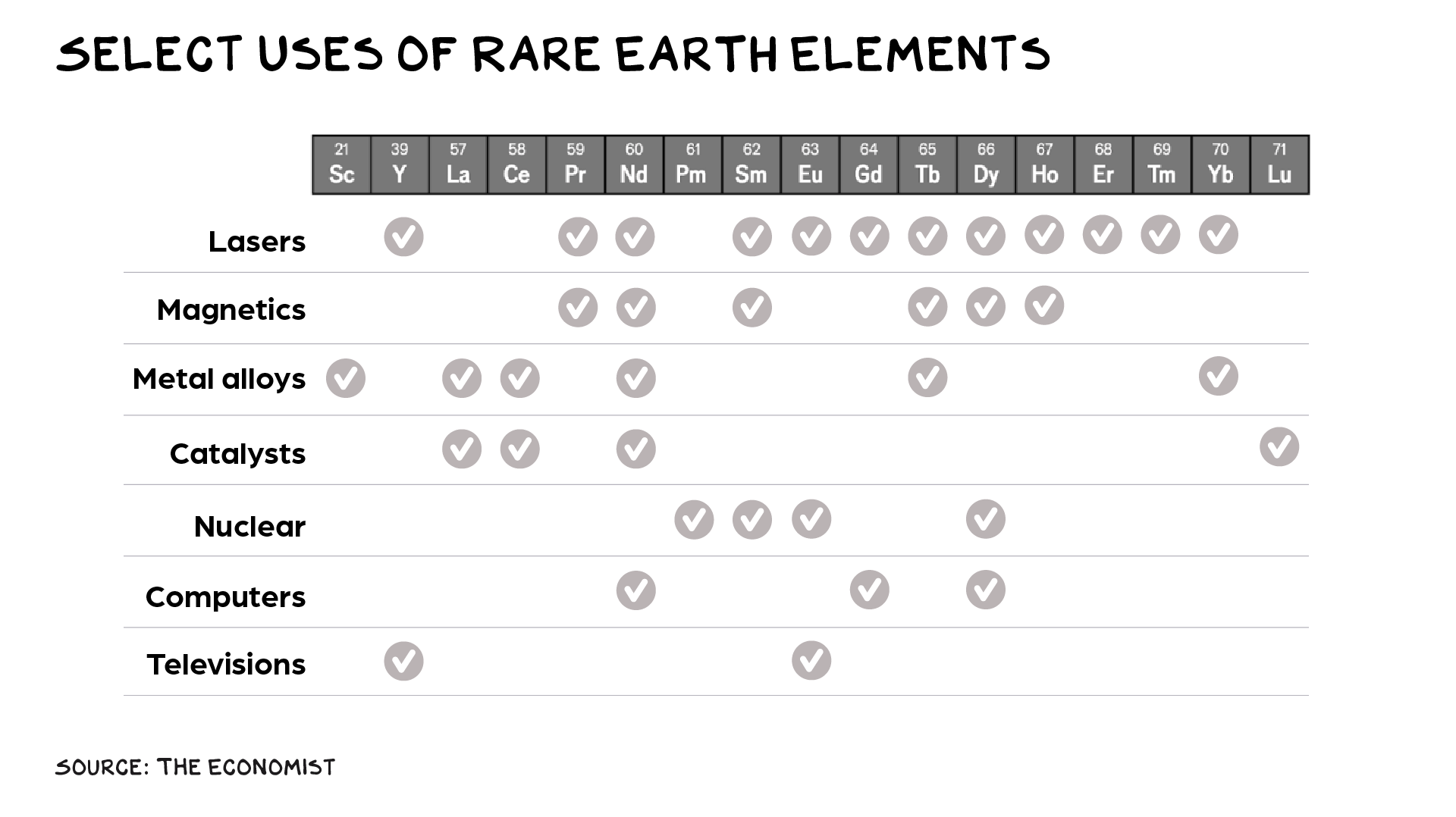
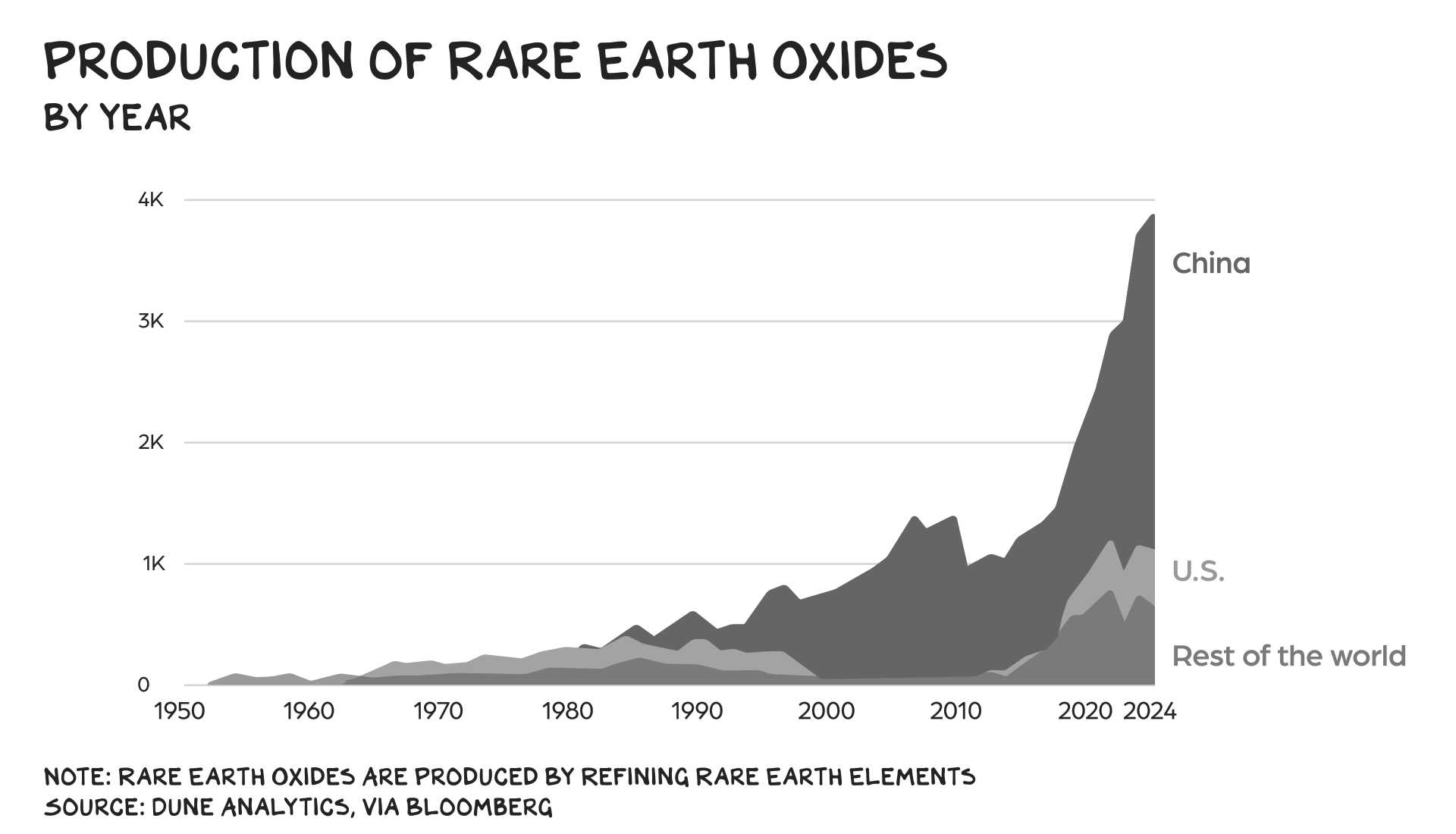
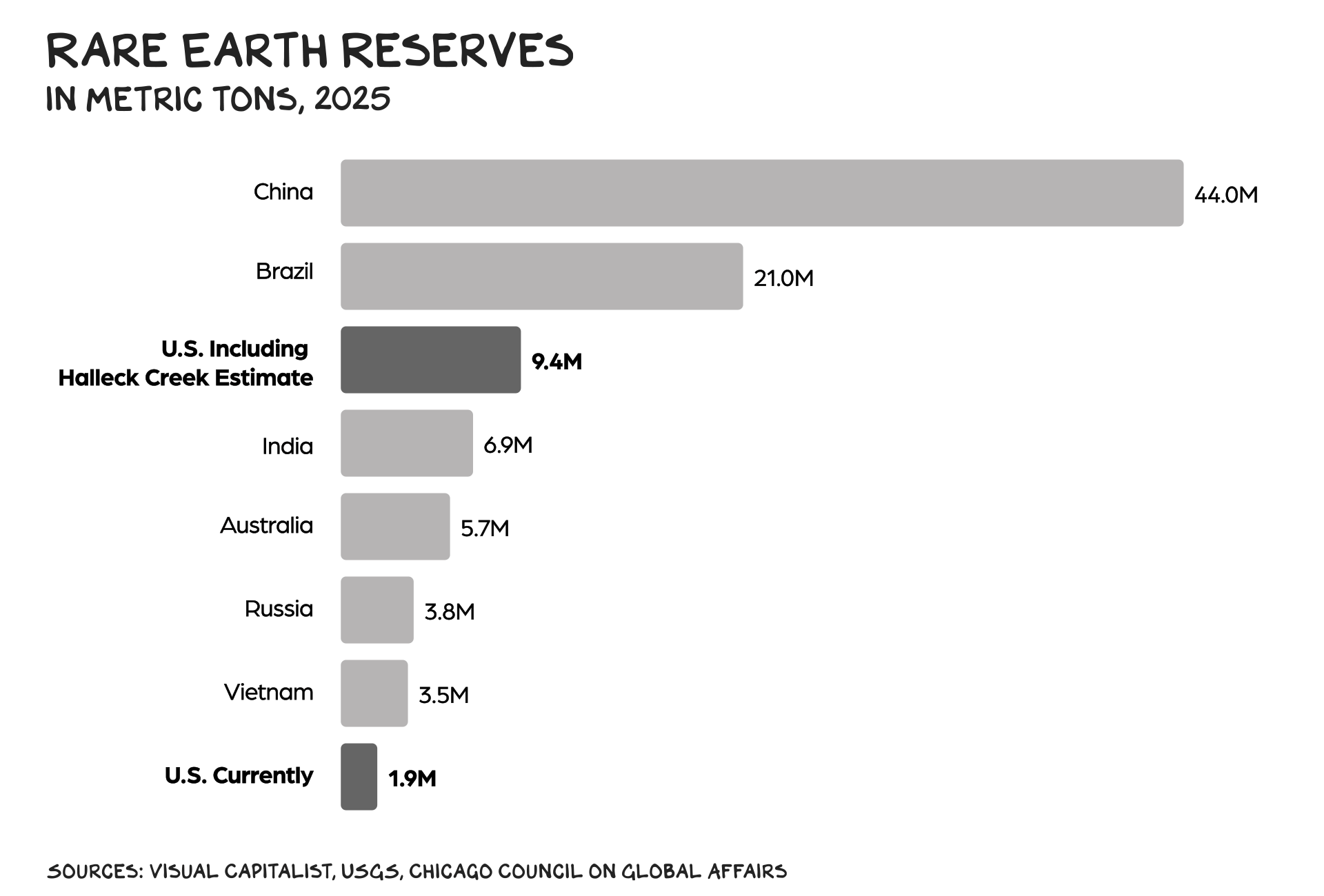
| | Was this newsletter forwarded to you? Subscribe here | | Last week, U.S. forces entered Venezuela and arrested President Nicolas Maduro. Regardless of your politics, this was a serious flex from the best-performing organization in history: the U.S. military. Army Delta Force and 160th Special Operations Aviation Regiment (specialized helicopters) accomplished in 35 minutes what Putin has been unable to accomplish in Ukraine in 35 months. But, like most Bond films, our overseas adventures begin strong but then come off the tracks. | Ostensibly, the goal was to stop the flow of fentanyl into the U.S., but there is no flow; according to the DEA, Venezuela has nothing to do with smuggling fentanyl. Trump's real objective is oil. In a press conference announcing Maduro's capture, the president mentioned drugs just five times, while talking about oil 27 times. Like so many things with Trump, the "Donroe Doctrine" is a noxious cocktail of greed and stupidity, garnished with calcified ideas from the past. Oil still matters to the global economy, but launching a regime change for oil is like invading Costa Rica for sand. Venezuela's black gold is heavy crude; it costs upwards of $70 a barrel to extract oil you can sell for $58. The world power curve has been shaped by oil for decades, but a different resource is bending that curve. So, for a moment, let's ignore that masked government agents are murdering people in American cities — and talk about the new oil. BTW, America's very founding was an attempt to escape this type of state-sponsored depravity. But I digress. | Rare Earths | Rare earths is an umbrella term for 17 metallic elements. Despite the name, they aren't especially rare, just difficult to extract and refine. Like petroleum, which is a raw input for more than 6,000 products, rare earths find their way into a wide range of modern technologies, including smart devices, solar panels, medical imaging equipment, and vehicles (both electric and internal combustion). Also, similar to petroleum, rare earths are vital to U.S. defense capabilities, from tanks and Tomahawk missiles to satellites. RAND estimates an F-35 fighter contains more than 900 pounds of rare earth materials in its engines and electronics. An Arleigh Burke–class destroyer requires approximately 5,200 pounds, and a Virginia–class submarine uses about 9,200 pounds. The question isn't what do we need rare earths for, but what do we not need rare earths for? A: Nothing important. | | Interests: Salt, Bird Shit, Rubber, Oil | The idea that nations don't have friends, only interests, is a worldview variously attributed to Lord Palmerston, Charles de Gaulle, or Henry Kissinger. The maxim doesn't capture the idealism that (sometimes) drives American foreign policy, but it does sum up how statesmen explain the logic of sacrificing blood and treasure in the pursuit of national interests. A nation that secures its interests, oftentimes natural resources, controls its destiny. | For the ancient Romans, salt was more than seasoning, it was the backbone of commerce. In Rubicon: The Last Years of the Roman Republic, historian Tom Holland views control of the salt trade as the key building block of Rome's early wealth and military dominance, noting that Rome's location was desirable, in part, because of its proximity to the salt pans at the mouth of the Tiber River. In SPQR: A History of Ancient Rome, historian Mary Beard argues that Rome's government saw salt as a strategic resource akin to how modern states view energy. Rome built roads to transport salt (in particular, the Via Salaria) and even subsidized salt prices to preserve domestic order. | In the 19th century, Peru held a near-monopoly on guano (bird shit), a critical input for fertilizer as well as gunpowder. In response, the U.S. Congress passed legislation in 1856 authorizing the seizure of more than 100 guano islands. In How to Hide an Empire, historian Daniel Immerwahr notes that guano was so valuable that many called it "white gold." As Immerwahr writes, "It was the pursuit of this 'white gold' that made the U.S. an oceanic empire and laid the foundations for overseas territorial conquests to come." | During World War II, Japan's push into Southeast Asia cut off 90% of the global supply of natural rubber, spurring the U.S. to launch a program to mass produce a synthetic alternative. Without rubber, America couldn't produce tires for trucks and planes, life rafts, oxygen masks, pontoon bridges, certain medical supplies, raincoats, boots, and thousands of other products necessary for waging war. In The Economic Consequences of U.S. Mobilization for the Second World War, Alexander J. Field, professor of economics at Santa Clara University, argues, "Redressing the loss of Southeast Asian rubber imports was more important than the Manhattan Project in making Allied victory possible." | In 1973, Americans got a crash course in the geopolitics of oil when the OPEC nations flexed their economic muscle to undermine U.S. support for Israel during the Yom Kippur War. The fallout from the embargo caused the U.S. to reassess our dependence on Middle Eastern oil, leading to increased domestic production and a greater emphasis on energy efficiency. Beginning in 2019, nearly 50 years after OPEC's embargo, the U.S. is now a net exporter of oil. Though we still import some oil, 52% comes from Canada and another 11% from Mexico. Notwithstanding the Donroe Doctrine, which can be summed up as "alienating allies and comforting enemies," the U.S. oil supply is no longer vulnerable to exogenous shocks. | Leverage | If rare earths are the new oil, China is the new OPEC. Chinese mines supply nearly 70% of the ore from which rare earth elements are extracted, and more than 90% of the refined materials. Meanwhile, the U.S. imports 70% of its rare earths from China. This asymmetry is a strategic vulnerability. According to a 2025 report from the Center on Strategic and International Studies, China has demonstrated a willingness to "weaponize" rare earths. In 2010, for example, China cut off rare earth exports to Japan over a maritime dispute, threatening to halt its automotive production. Japan responded by importing more rare earths from Australia in the short term and ramping up domestic production long term. Since then, Japanese rare earth imports from China have fallen from 90% to 60% — still too high, but low enough that Tokyo has options if Beijing restricts access. This week, China again banned the export of rare earths to Japan over its support for Taiwan, but, notably, the ban included a far broader category of goods, suggesting China's rare earth leverage over Japan has weakened. | It's a different story for the U.S. In April, China retaliated against Trump's so-called reciprocal tariffs by restricting the export of seven types of rare earths. Trump folded, naturally, but even after reaching a deal in October to resume exports, the U.S. remains at China's mercy. According to a recent Bloomberg report, continued restrictions on deliveries of raw materials "hamstring" U.S. efforts to build domestic rare earth processing capacity. Meanwhile, the president's plans to secure alternative sources of rare earths would be laughable if they weren't so stupid, i.e., hurting others while hurting ourselves. We're threatening to seize Greenland from Denmark, a NATO ally, despite Greenland's rare earth deposits being low-grade and costly to extract. We also shook down Ukraine for rare earths, but that deal could take more than a decade to bear fruit, as 40% of Ukraine's mineral resources are inaccessible due to Russian occupation. While we flounder, China dominates. As Deng Xiaoping famously said back in 1992, "The Middle East has oil, China has rare earths." | | Bonanza? | In 2024, reports out of Wyoming suggested that the U.S. had hit a rare earth mother load at Halleck Creek. Geo Hussar, an (outstanding) influencer who focuses on geopolitics, believes Halleck Creek, with an estimated 2.3 billion metric tons of ore, 50x China's reserves, will eventually break Beijing's stranglehold over rare earths. But according to Karl Friedhoff, a fellow at the Chicago Council on Global Affairs, Halleck Creek is likely to net closer to 7.5 million metric tons of usable rare earth material after extraction and processing. Even using the lower estimate, that's enough to catapult the U.S. from seventh to third place, just behind Brazil. Still, the objective is getting rare earths out of the ground and into the supply chain. Unfortunately, it takes American mining firms an average of 29 years to go from discovery to operations, putting the U.S. next to last worldwide, just ahead of Zambia. | | Long Game | China monopolized rare earths by providing capital to its leading firms, encouraging rare earth acquisitions abroad, banning foreign companies from buying domestic mines, and eventually consolidating its industry into a few giant players, giving it leverage over prices. In other words, China played the long game. According to a 2025 Carnegie Endowment for International Peace analysis, both the Biden and Trump administrations correctly identified the need to contest China's rare earth dominance. But to do so, the U.S. must marshal a combination of innovation, international cooperation, and long-term industrial planning. Based on our history, I'm optimistic. Based on our present, however, the good money is on pessimism / catastrophe. Cutting research funding and pursuing a xenophobic immigration policy undermine innovation. Careening from one budget crisis to the next renders long-term industrial planning nearly impossible. And alienating allies while comforting dictators squanders the soft power that made the U.S. the indispensable nation. | One of my favorite aphorisms says "old men should plant trees whose shade they know they'll never sit in." Our rare earths deficit developed at the speed Hemingway attributed to bankruptcy — gradually, then suddenly. Our failure is bipartisan, and blame goes to the public and private sectors alike. Rare earths aren't rare. Long-term, strategic investment is. And the scarcest resource in America today is leaders who will invest in a future we don't immediately profit from. | Life is so rich, | | P.S. My Prof G Markets co-host Ed Elson has launched a Substack. How original. Ed's first installment is a deep dive into the business that defined 2025: OnlyFans. Read it here. | ____________sponsored content ____________ |
|
| Stop Drowning In AI Information Overload | | Your inbox is flooded with newsletters. Your feed is chaos. Somewhere in that noise are the insights that could transform your work—but who has time to find them? | The Deep View solves this. We read everything, analyze what matters, and deliver only the intelligence you need. No duplicate stories, no filler content, no wasted time. Just the essential AI developments that impact your industry, explained clearly and concisely. | Replace hours of scattered reading with five focused minutes. While others scramble to keep up, you'll stay ahead of developments that matter. 600,000+ professionals at top companies have already made this switch. | Join them today, for free. | |
|
| ____________sponsored content ____________ |
|
| |
|




No comments:
Post a Comment