Until today, every federal judge that considered the issue—all eight of them—unanimously found that attorneys general have the constitutional authority to appoint a special counsel. But Judge Aileen Cannon disagrees. In a 93-page opinion, nicely timed for the first day of the Republican convention, she held that Jack Smith’s service as special counsel violates both the appointments clause and the appropriations clause of Article II of the Constitution. Having made that finding, she dismissed the entire indictment that charges Trump with reckless mishandling of classified documents and obstruction of justice.
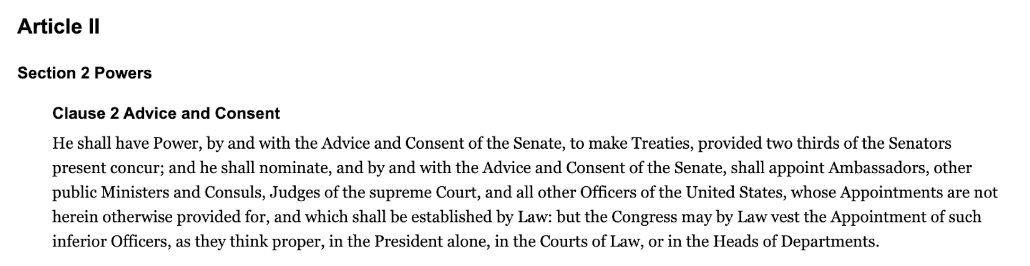
Article II permits Congress to “vest the appointment” of “inferior Officers” in the head of a department, like the Attorney General. The provision permits the executive branch to bypass the cumbersome process of presidential appointment and Senate confirmation in cases where Congress authorizes it.
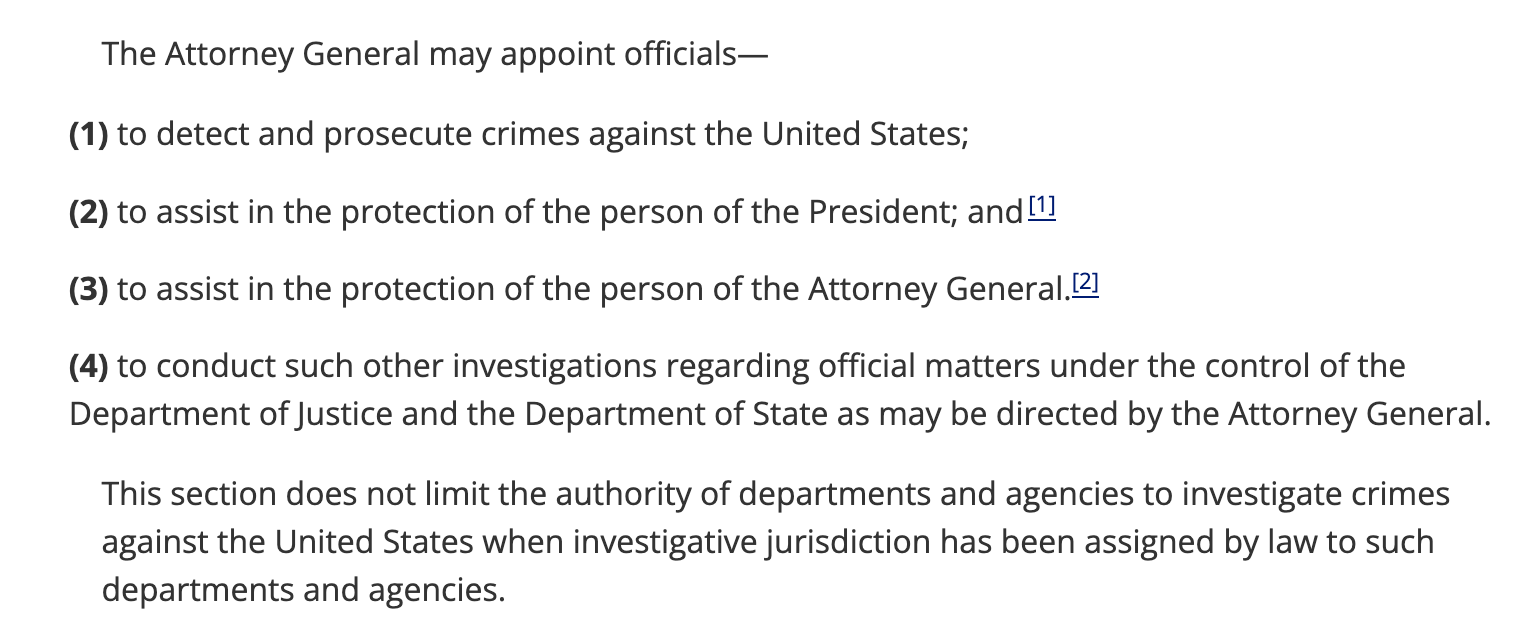
Jack Smith, like special counsels before him, argued that Congress did that in 28 United States Code § 533(4), which authorizes the Attorney General to appoint officials “to conduct such other investigations regarding official matters under the control of the Department of Justice … as may be directed by the Attorney General.” That’s what special counsels do; they conduct investigations in matters that would otherwise be directed by the Attorney General. The law seems to fit the conditions described in Article II of the Constitution, and that’s what every judge to consider the matter before Aileen Cannon concluded.
Judge Cannon got a real boost here from Justice Thomas’ concurring opinion in the immunity decision, Trump v. U.S. Thomas, who wasn’t able to get anyone else to sign on, wrote that he would have also dismissed the election interference case in the District of Columbia on the basis of the same argument Judge Cannon employed today. It’s not clear whether Justice Thomas truly is the only vote on the Supreme Court for this argument, or whether no other Justice joined in because the issue wasn’t properly raised in that case. Justice Thomas took it up even though it had not been briefed. Nonetheless, Judge Cannon cited his opinion three times in her decision. Jack Smith, like the 93 U.S. Attorneys nationwide, cannot take an appeal without the permission of the Solicitor General. That’s Justice Department rules. But apparently the Solicitor General didn’t have to think very hard about this one. Late in the day, the Special Counsel’s spokesman, Peter Carr, announced that they had her blessing and would be appealing: “The dismissal of the case deviates from the uniform conclusion of all previous courts to have considered the issue that the Attorney General is statutorily authorized to appoint a Special Counsel. The Justice Department has authorized the Special Counsel to appeal the court’s order” That means that the question of where the other Justices are on this issue is an important one because the appeal is coming. First, it will go to the Eleventh Circuit Court of Appeals in Atlanta. Once they reach their decision, the losing party with try to enlist the Supreme Court to take up the case. It’s not obligated to do that, but if it follows the pattern of other Trump-related cases, it’s likely to hear the appeal. One way or the other, the final decision about whether Judge Cannon’s dismissal order stands will be in the Court’s hands, either because it decides the issue or because it lets a lower court’s decision stand. In December 2022, it took the Eleventh Circuit Court of Appeals just nine days and 21 pages to reject Judge Cannon's decision to indulge Donald Trump’s unprecedented effort to prevent the Justice Department from using evidence it obtained during execution of a judicially authorized search warrant to investigate the case. The Court of Appeals delivered a resounding bench slap, telling the Judge to stand down, that she had no jurisdiction in the matter, which was essentially an end run designed to prevent any investigation into Trump’s possession of classified documents long after he had told the Justice Department he had returned everything. The question now is, will they do it again? Will they move quickly, and will they reject Judge Cannon’s decision which, except for the Thomas concurrence, which does not have the force of law, contradicts every other decision on this issue. Even if the Eleventh Circuit moves quickly, there is no guarantee that the Supreme Court will. With that caveat, let’s explore some possible outcomes here:
Will this decision impact the election interference case in Washington, D.C.? Even Judge Cannon conceded in her order that it applied only to the case in front of her. But with jurisdiction in the election interference case about to be restored to Judge Chutkan from the Supreme Court, expect Trump’s lawyers to file for an additional stay to keep that case from restarting, arguing that it has to remain inactive while the Eleventh Circuit appeal proceeds to avoid any prejudice to their client. If Judge Chutkan refuses, they’re likely to take their request for a stay all the way to the Supreme Court. Often, judges decide difficult issues, close issues, where the call could go either way. Even the Supreme Court frequently decides cases 5-4 or 6-3, with the Justices seeing issues differently. But, and I think it’s important to reiterate this, that’s not what’s going on with Judge Cannon in this case. She looked at the law and went 180 degrees from it to rule in Trump’s favor. She assessed the issue here in a way that no other court to consider the constitutionality of appointing a special counsel has. And although she wrote that her ruling applied only in this case, that’s not how precedent works. If her decision were to stand, it would throw a monkey wrench into other cases where an outside lawyer was brought in to act as a special counsel. This decision was a bad one, and if the higher courts permit it to stand, it will do further damage to public confidence in the courts. We’re in this together, Joyce You're currently a free subscriber to Civil Discourse with Joyce Vance . For the full experience, upgrade your subscription.
|
Monday, July 15, 2024
A Bad Decision








Subscribe to:
Post Comments (Atom)
We Have to Care About the Little Guy
Cato was powerful. Cato was a traditionalist. Cato was conservative. In many ways, he was an elitist. But the most...
-
17 Personal Finance Concepts – #5 Home Ownershippwsadmin, 31 Oct 02:36 AM If you find value in these articles, please share them with your ...


No comments:
Post a Comment